PERCEPTION of ANGLES

Post 60 –Gautam Shah

.
(Lecture series: Space Perception -Article-XI of 15) –delayed documentation -Covid era.

Perception of Angles is mainly a visual affair. Angles, however, can be sensed in total darkness, because other sensorial perceptions allow us to realize the presence of the angle. Sound is the important affectation that mark the presence of an angle. An angle emerges with two (or more) distinct lines or planes. Such formations present many different real or imaginary compositions.

Angle can also be an inclination, if there is a reference like, gravity or other physical feature. An angle without an obvious bearing is called an oblique formation. An oblique arrangement is angled in the third dimension, so cause of visual shortening of depth. It deviates in direction for a short distance, but retains the direction within a limit.

Angles are constituents of a Corner. It is an entity, where two angled lines or planes meet or diverge. Corner get formed as a folded continuity, or junction of disparate elements. The folded corner can diminish as a flattened plane, but regain as an outward entity with crowning vertex, or an inward form of a depressing nadir. A vertex and nadir both are zero measure elements, mere points or lines, an abstract representation of an angle. In comparison a corner is far more substantial due to its wedge like spread.

Corner is a form of simultaneity of outward form and inward interest. Narrow corners concentrate or wide corners broaden the scope of perception, but in few cases both distort the experience. The sides, if visually large, closely spaced-narrow, long, tall, experiencing the inwards, cause cluster phobic feeling, but conversely, widening corners cause loss of control or protection. The interaction with the angles depend on the strength of the stimuli.

An angle is formed by two planes. Solids and hollowed forms have more angles. Angles are square (90°), acute (< 90°), obtuse or reflex > (90°). The outward sides of an acute or right angle are difficult to comprehend simultaneously, as one of the sides remains concealed, till one turns around. The exterior angle can be grasped fully, if only one moves away from it. Obtuse and reflex angles sometimes defy the perspective view. Solids have ‘impersonal exterior faces, but hollow objects have compassionate interior sides’. In isometric view, Acute or 90° angles outward and inward, create a visual aberration by looking identical.

All angles, depending of their shape-measures, have great sensorial affectation, beyond the visual phenomena. The conical shape enhances, both the reception and dissemination power of the sound. A ‘listening cone’ for listening fetal heart sounds of babies, is acute angled, whereas, a dish-antenna is an obtuse-angled device that captures the energy from a wider source and concentrate it at the narrow end.

Realization of the angles occurred with the study of stars, planets, etc., or with the place finding mechanics. Corners of triangles, trapezoids (askew squares or rectangles) were used for accurate angular shaping. Corners were re-realized when ‘perspective machines’ began to offer rational views with regulated corners. For architecture, the corners were conceived for the perspective, but in paintings, these were exploited to put everything to scale and format a unified composition. The view making corners were most obvious in Greek Parthenon, here, not only the site was angular, but the siting of the building was also angled. Much later the Baroque period created its own multi cornered architecture, irrespective of the site.

Essence of a corner is its end point, but angles emerge with the sides, the, insides and outsides. In a perspective, corners mark the change of plane, but due to the taper, scale the scene. The corners, in perspective exterior or interior ones, all really occur inside a hypothetical cone. Performance stages were once round, but for controlled perception, have turned into wedge form. The tapered form of the stage has several advantages: On solid back wall stages, the tapered shape reinforces the sound delivery like a megaphone. The wedge shape adds to the visual depth, it also allows the sides of the set to be visible from the audience arena. Games have corner shots as penalties.

.

SPACE PERCEPTION and SPATIALITY


Post 59Gautam Shah

.
Lecture series: Space Perception -Article-X of 15 -delayed documentation -Covid era. (There are 3 other series on Space Perception, but different topics, on my other blogs.)

Space is an enigma, without a dimension or physicality. And, yet, the space character is perceived on two major counts, change in the direction and time. Both, these references relate to the environment. And as the environment changes, the direction and time are realized, marking the space.

Spaces are perceived in mixed lots, making their individual identity and extent difficult to realize. There are overlapping conditions due to varying levels of convergence and divergence. One never knows when one domain ends and another become effective. The direction and time indicate the various types of sensorial reaches in space. The sensorial extent of the space, is substantially individualized due to the variable perception and the environment.

Reach in space, traditionally meant interim distance (Sanskrit =Antar). The interventive space between the perceiver (occupants) and perceived (objects). The reach in space offers wide range of experiences or behaviour. At simpler level, the reach reveals, the distance, position, direction, orientation, size, scale, etc., and at complex level, offers sociological relationships, psychological safety-security, bio-compatibility, assurance of resources, consistency and directions. A person perceiving a space, realizes such potentials. One of the most important facilitations of the reach in space is the accommodation of self, task activities and the environmental variability. Reach in space is finite, but offers a sense about the possible existence beyond.

Historically, philosophers have perceived space to be nothing, a make-believe, but a place for being in and for tasks and activities. Space is considered with nothingness, (Sanskrit =Avakash). The interventions, if any, are formed of a set of relations between things as the distances and directions from one to another. Spatium is the original Latin term, a realm of coexistence marked by the interim distance or reactivity.

A space is for occupation, possession and intervention. These can occur where environmental provisions and the connections to the surroundings are realized. The later, offer the resources for interventions. Possession of the space requires site markings, for the purpose of the location and for defining the extent. The extent also defines the inside (within) and outside (without) character for interventions. These remain circumstantial.

Francesco Patrizi (1587), has said, ‘concept of space is inherent to human understanding, even if it’s ultimately ‘nothing’ or undefined.’ ‘If space is nothing, we ask in vain, if space exists and if the space does not exist, we likewise ask in vain, is a space is something else’. It is a notion common to all people that space is, and that it seems to be something, such that it was given the following or similar names: dimension, distance, the interval, the diastasis (interval), diastema (extension). Patrizi suggested that the very act of questioning the existence or nature of space implies its existence in some form, whether tangible or conceptual.

German philosopher Immanuel Kant, theorized about space as a ‘property of our mind by which ‘we represent to ourselves objects as outside us, and all as in space’. Isaac Newton viewed ‘space as absolute, existing permanently and independently of whether there was any matter in it’. Gottfried Leibniz, thought that ‘space was in fact a collection of relations between objects, given by their distance and direction from one another.’

SPATIALITY

A Space has no physical character, but has various senses of spatiality with the setting of its location (external abstract connections and extent), it gains the feel of outside, inside, thresholds, the center, peripheral, marginal, near, far, distance, attached, separate. Spatiality also offers a comparative scale of similarity, exclusivity, purposes, proximity, approachability with other conditions. The senses of place (orientations, mapping, way-finding, possession, pattern recognition) help in domain identity. Spatiality is how things manifest in a given (acknowledged identity of) space.

A space domain is a resilient feature, to meet the transient needs of accommodation, social circumstances and delineation of inside-outside. These require transgression, both, real and virtual. Transgression reflects selective preference for the distanced sensorial connections and desire to be closer to the distanced things. The spatiality endows physicality to the space through three elements, scale, size and shape, which in turn reflect the purpose. The spatiality affects our behavioural responses. It causes new modalities of expression, communication, new conditions of sociability and readjusts the ambiguities of space affectations.

Spatiality is a term used in diverse design fields and for as many contexts. It is used to mark the relationships between in the space elements in the context of environment. Spatiality is a feeling of change, occurring in terms of degree of variance, distances, spatial and temporal discontinuities, perception related ambiguities, conditioned cognition, accommodation management, expression of meaning, communication, etc.

Barriers, built edges and the environments all have relevance from the position of perception, and their human relationships. The spatiality is a happening stretching out to metaphorical or mythical entities beyond the sensorial realities. Early maps did reflect the geographical delineation of the deeper lands, was hearsay evidence.

Spatiality, is consideration for space design with time-space distancing defining the relationships. The sequencing, typography, graphics, patterns, compositions, architecture, urban design, products, performing arts, audio-visual deliveries, odours, food tasting, tactile revelations, etc., all relate to spatiality of position, direction and duration.

.

BLOG LINKS to articles on PERCEPTION

BLOG LINKS to articles on PERCEPTION
Post 58 -Gautam Shah

.
On my this site DESIGN ACADEMICS for Academics interest >
Here, I have two series of 1 SPACE PERCEPTION and 2 SPACE PERCEPTION and HUMAN BEHAVIOUR. Some find it confusing to locate the articles. Here I am providing separate lists for the Topics.

Lecture series: SPACE PERCEPTION was COVID era commissioned series. But could not go beyond Nine articles of intended 15. Hope to finish it some day. (There are 3 other series on the same topic but different topics, in my other blogs.)

TACTILE PERCEPTION
Post 55 (Lecture series: Space Perception -Article-IX of 15 —delayed documentation)
URBAN SMELLS
Post 52 (Lecture series: Space Perception -Article-VII of 15)
SMELLS and SPACES
Post 51 (Lecture series: Space Perception -Article-VI of 15)
PERCEIVING set of OBJECTS
Post 50 (Lecture series: Space Perception -Article-V of 15)
MULTI NODAL PERCEPTIONS of OBJECTS in SPACE
Post 49 (Lecture series: Space Perception -Article-IV of 15)
PERCEPTION of SPATIAL FIELDS -ILLUMINATION
Post 48 (Lecture series: Space Perception -Article-III of 15)
STRATIFICATION of VISION
Post 47 (Lecture series: Space Perception’ -Article-II of 15).
SOME SOUND BITES -Space Perception -I
Post –46 (Lecture series: Space Perception -Article-I of 15)

Series SPACE PERCEPTION and HUMAN BEHAVIOUR was one of my last academic engagements (all theses articles are at
https://wordpress.com/home/designacademics.wordpress.com )

15 – SPATIAL REALITY and HUMAN BEHAVIOUR
Post 41 by Gautam Shah (Blog 11 in Lecture Series Space and Human Behaviour)
14 – SPACE PLANNING and HUMAN BEHAVIOUR
Post 45 -by Gautam Shah (Blog 15 in Lecture Series Space and Human Behaviour)
13 – PERSONALIZATION of SPACE
Post 44 -by Gautam Shah (Blog 14 in Lecture Series Space and Human Behaviour)
12 – SPATIAL REORGANIZATION
Post 43 -by Gautam Shah (Blog 13 in Lecture Series Space and Human Behaviour)
11 – TASK SPECIFIC SPACES
Post 42 by Gautam Shah (Blog 12 in Lecture Series Space and Human Behaviour)
10 – BEHAVIOUR and DISTANCING in SPACE
Post 40 -by Gautam Shah (Blog 10 in lecture series Space and Human Behaviour)
9 – HUMAN BEHAVIOUR in Expression and Communication
Post 39 -by Gautam Shah (Blog 9 in lecture series Space and Human Behaviour)
8 – EXPRESSION of BEHAVIOUR
Post 38 –by Gautam Shah (Blog 8 in lecture series Space and Human Behaviour)
7 – SPACES SIZES and SHAPES
Post 37 -by Gautam Shah (Blog 7 in lecture series Space and Human Behaviour)
6 – TYPES of SPACES for BEHAVIOUR
Post 36 -by Gautam Shah (Blog 6 in lecture series Space and Human Behaviour)
5 – SPATIAL BEHAVIOUR and DOMAINS
Post 35 -by Gautam Shah (Blog 5 in lecture series Space and Human Behaviour)
4 SPATIAL FEATURES for INHABITATION
Post 34 -by Gautam Shah (Blog 4 in lecture series Space and Human Behaviour)
3 SPACE and the PLACE
Post 33 -by Gautam Shah (Blog 3 in lecture series Space and Human Behaviour)
2 CONSTITUENTS of HUMAN BEHAVIOUR in SPACE
Post 32 -by Gautam Shah (Blog 2 in lecture series Space and Human Behaviour)
1 – SPACE and HUMAN BEHAVIOUR
Post 31 -by Gautam Shah (Blog 1 in lecture series Space and Human Behaviour)

COMPILATION of SMELL RELATED ARTICLES

Post -57 -Gautam Shah
.
These blogs were originally published at https://designsynopsis.wordpress.com/
INDEX
1875 ODOUR CONTROL in ENCLOSED SPACES
1749 SMELL MECHANISM and SPACE
1711 SENSE of SMELL
1647 SMELLS as HERITAGE
1640 URBAN SMELLS in ANCIENT PERIODS
1509 MECHANICS of PERFUMES
1498 SMELLS -intangible property of tangible heritage
1484 SMELLING SPACES and PLACES
1471 SENSE of SMELL
1347 SPACES and SMELLS
1200 SMELLS and SPACES
1083 SMELLS and SPATIAL IMAGES
1067 SMELLS and SPATIAL EXPERIENCES
918 SMELLING the SPACES
696 SMELLS and IDENTITY of a PLACE
665 SENSING the SPATIAL SMELL
587 SENSE of SMELL
449 SPATIAL SMELL BRANDING
399 SMELLING the SPACES

1875 ODOUR CONTROL in ENCLOSED SPACES https://designsynopsis.wordpress.com/2024/12/24/1875-odour-control-in-enclosed-spaces/

Odour control: Odours occur and persist in all types of enclosed spaces. Odours are generated by materials, processes and human occupation. Confined spaces such as underground car parks or basements, garbage areas, passages, etc. have poor air-change. Offices where coffee, snack and meals are allowed in work zones have greater degree of air fouling. The odour can be controlled through basic three methods: Greater dilution with fresh air, Finer scrubbing of odours, and Larger exposure to natural sunlight UV rays.

Odours from surface finishes, cleaning compounds, treatments applied on furnishings and degeneration of plastics, etc. are controlled best by proper selection rather then any processes. Human skin scales, biologically degenerate very fast, and it is a major problem for spaces with large human traffic. Here again regular vacuum cleaning is the best method, but for this smooth and hard floors, in place of fibre or synthetic carpets are required. Odours of slightest measure are detested by first time visitors. However, masking an odour with deodorant is only delaying the effects of odours.

Air-conditioned spaces retain moisture and trapped odours in the enclosed spaces, once the plant-unit is switched off for the closing time. This trapped air petrifies, if the closing period is extended over holidays. For this some micro or passive ventilation is required during off periods.

1749 SMELL MECHANISM and SPACE https://designsynopsis.wordpress.com/2024/06/07/1749-smell-mechanism-and-space/

Spatial definitions, accompany with most of the sensorial exposures, except in case of smell. Spatial experiences arise from the shape, size and scale of a space. Sensorial exposures like, visual, audio and tactile can define a space. But smell alone cannot define a space. The smell as contrast, is governed by the conditions of the environment, typically, through the direction and distance.
The source is not very important part of what we perceive in a smell mechanism, except, when the direction of the source is aligned with the effects of environment, such as the breeze. A space through its configuration and openings allows localized concentration or dilution of smell forming elements (the enzymes or particulate matter).

Spaces and Smells, both are real, and also manifest in remembrances. Remembered smells get associated with the spatial qualities. Or other way around, spaces do get branded by the smells. Similarly, cultures, personalities, places, objects, etc., bear real or remembered images of the smells, and sometimes also, carry comparable qualitative characteristics of the spaces.

The smell generating elements are of three types, degeneration of materials, acts inhabitation and biological functions of the body. Coding or identification of smell is difficult, because all the three factors add up in innumerable combinations and concentrations. The process gets further complicated when the sources are located beyond a space or distributed across a space.

1711 SENSE of SMELL https://designsynopsis.wordpress.com/2024/04/01/1711-sense-of-smell/

Smells contribute, feel good, bad or unconcerned experience. The difference is sensed similarly or differently by individuals, social groups, or communities. The smells result from space use. The architecture of the street and the buildings, both have a role in smell acknowledgment.

The sense of smell is strongly related to cooking of foods (including preparation, consumption and disposal) and fuels. The smell-sense occurs due to the weather (moisture, rains, breeze) and other causes are, menu changes within the house and cultural differentiations across the neighbourhood.
Sense of smell is culturally ingrained. In Japan fish-marine smells are considered part of the cultural identity, and so, heritage. Every region and community have such preferences, which offers security and comfort.

Our own smell can impact our emotions and interpersonal relationships, as much as inhabitation smells can define our behaviour. Smell remembrances are more efficient than visual clues or memories, formed through other senses. Smell related impressions are more emotional and takes one back to the past happenings.

In confined indoor spaces, the concentrations of smells increase many times, due to lack of fresh air for dilution and also deposition (surface absorption) of the odourants. Continuous exposure of the few smells, can cause distress, but this can recover. The fatigue of smell can be reduced by (in terms of effectiveness) ventilation, opening out for sun-light, repainting, change of soft furnishings, floor scrubbing, and replastering. Use of the odour-suppressants, are not very effective.

1647 SMELLS as HERITAGE https://designsynopsis.wordpress.com/2023/12/06/1647-smells-as-heritage/

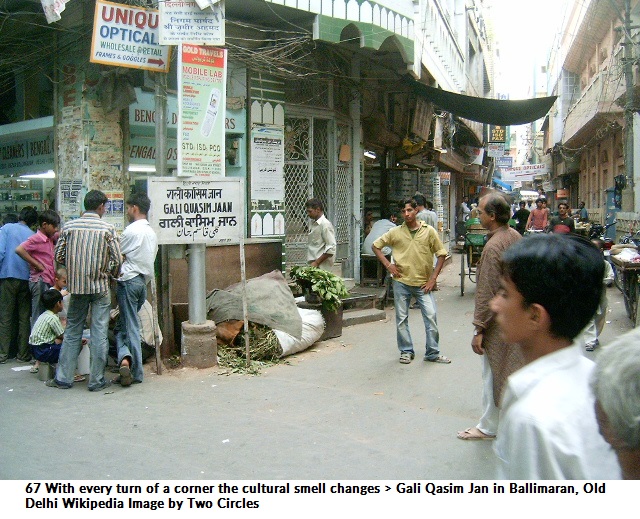
Turn around a street corner and the place has different visual and aural scale. But it is the change of smell that marks the space.’ This old adage is no longer true for modern urban spaces. The smell-based geography remains insignificant concept. The present urban scenes, has mixed population, universal life style, ducted air and moisture management systems, the use of non-fossil fuels (like electricity), factory-cooked foods, etc.

Urban Place making has preferential treatment for the visual, aural and tactile effects and no or synthetic odours. As a result a space offers no local or current experience and no exclusive remembrance. Current smells were once related to selling, processing, cooking and consuming foods in shops, restaurants or homes. Such experiences were implanted over local spaces, architecture and other consumables. And in the modern scene, the smell remains intangible and ephemeral phenomena. Places with distinctive smells and related built patterns are disappearing. Just as places and smells, are getting lost, no reasonable methods of archiving the smells are defined.

Japanese Ministry for the Environment through a survey listed 100 most important smells of Japan (including ancient woods, sea breeze, sake distilleries and a street lined with bookshops) This was a cultural legacy ‘to be handed down to the children’.

1640 URBAN SMELLS in ANCIENT PERIODS https://designsynopsis.wordpress.com/2023/11/23/1640-urban-smells-in-ancient-periods/

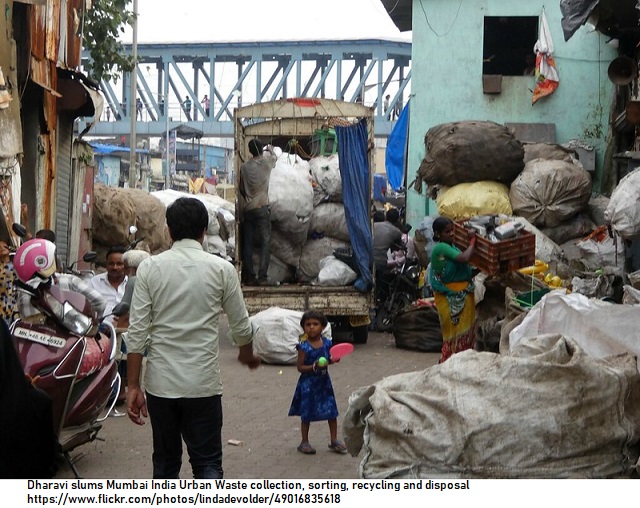
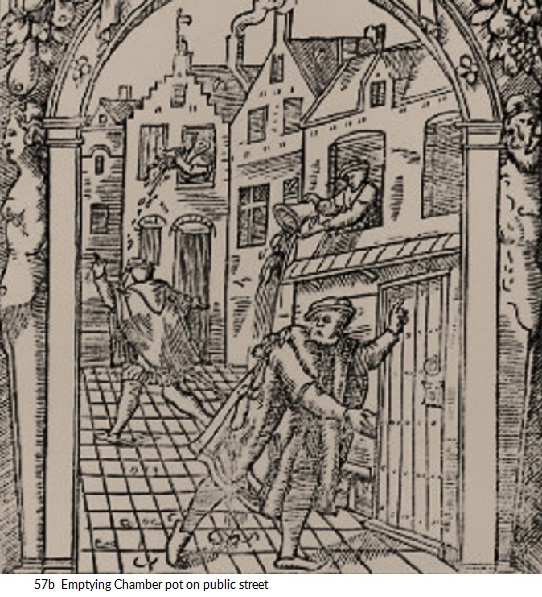
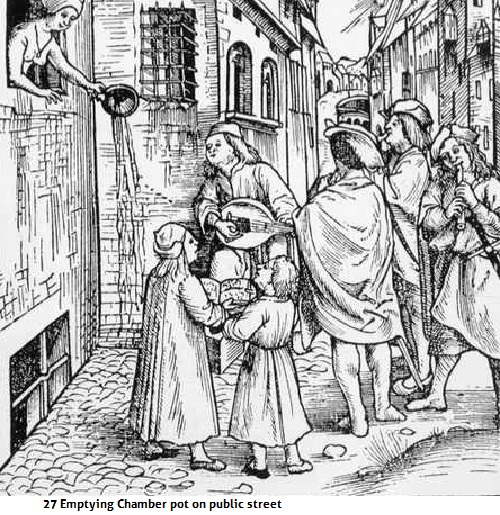
High urban density zones have had many common issues, like fouling of the living environments. The basic issue has been the growth beyond the commutable (and manageable) distance, resulting in high density zones in the centric areas. Many bounded or controlled urban areas have uncontrolled peripheral settlements of mixed ethnicity, where no regulations or cultural ethics prevailed. Other causants have been inadequate water supply paralleled with sewage disposal system. Lack of solid waste disposal and debris management.

5th C BC Sophocles describes Thebes as, ‘heavy with mingled burden of sounds and smells, of groans, hymns and incense’. Nero’s Rome was full of the stench of refuse rotting by the wayside, the piercing fragrance of burning myrrh from the temples, a heavy aroma of foods being cooked in the street, sweet seductive scents of flowering gardens, the malodour of rotting fish, sharp smell of urine from public latrines, and incense trail of passing procession’. -Aroma: The Cultural History of Smell. By Constance Classen, David Howes, Anthony Synnott (Routledge, 1994).

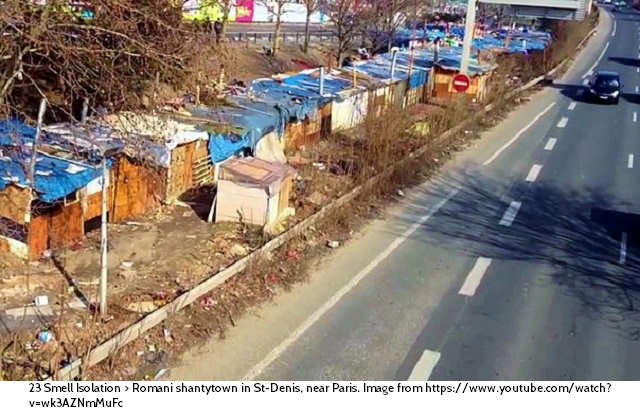
‘Our urban smell environment once comprising open sewers, open heaps of garbage, animal excreta, meat-fish shops, slaughterhouses and factories near residential areas, diesel vehicles and exotic foods. The smells are linked with the density of population, social and economic conditions of the community, distribution and proportion of open spaces and orientation and patterns of street layout and climate of the place. For these reasons, it is common to see connections drawn between unpleasant smells (the definition of which is also contentious) and poverty and specific ethnicity. Urban geographical isolation of communities through political machinations has the basis in smells and related social and religious prejudices’. From URBAN SMELLS by Gautam Shah (Blog site DESIGN ACADEMICS).

1509 MECHANICS of PERFUMES
https://designsynopsis.wordpress.com/2023/04/06/1509-mechanics-of-perfumes/

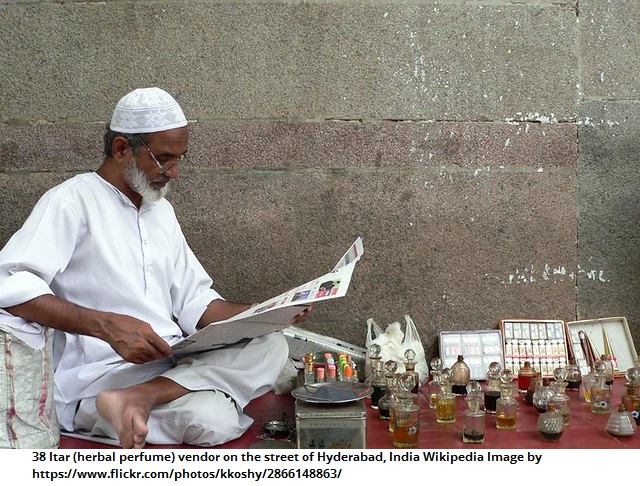
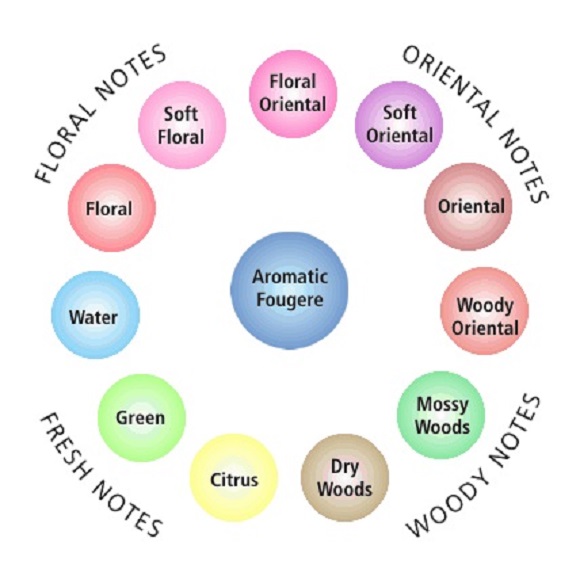
Perfume (Latin perfumare =to smoke through) is a mixture of fragrant oils or aromatic compounds (fragrances), fixatives and solvents. Modern perfumes are mix of at least three compounds, each with a distinct character, rate of evaporation and intensity of affectation.

Top note or head note begins to be effective on application (due to smaller and lighter molecules that evaporate faster), and the process can last up to 15 minutes. The top note usually consists of some unfamiliar, weird, unpleasant, exotic or spicy smells. This helps to divert the attention from the nominal conditioning, like, personally used smells of soaps, shaving cream, hair-oil, body deodorants, foods one nominally consumes or, are prepared at home, smell of things we use like books, foot-wear, some fabrics and synthetics and the neighbourhood or atmosphere. These first note offers an unusual diversionary impression, do not last long to generate ‘saturated memories’.

The middle or heart notes are secondary, very emotive and appear after 3 to 4 hours due to slower rates of evaporation. These seamlessly take over any of the residual effect of top note and form persistent experience.

Base notes form the thematic mark of the perfume. The compounds forming these are typically rich and deep. Examples of base notes include tobacco, amber and musk. Base notes stick stubbornly to the body and clothes and often transfer themselves to elements of environment like upper section of the room-space, static corners(less air movement areas), fabrics, skins etc.

Odour-evoked memories are more emotional, associated with stronger feelings of being brought back in time, and have been thought of less often as compared to memories evoked by other cues’. Smell Your Way Back to Childhood: Autobiographical Odour Memory by Willander, Johan & Larsson, Maria (2006).

1498 SMELLS -intangible property of tangible heritage
https://designsynopsis.wordpress.com/2023/03/22/1498-smells-intangible-property-of-tangible-heritage/

Smells define familiarity with the space, place and people. It affects emotionally, psychologically and physically, influencing the way we engage with our routine life and remember it. At some stage its intensity and spread identify the culture. Smell has strong connection with the location, orientation, density of buildings, street layouts. Odours induce a strong identity of local nature. The smell changes across neighbourhoods, because each place has different air flow, visual and aural scales.

5th C BC Sophocles described, Thebes asheavy with mingled burden of sounds and smells, of groans, hymns and incense’. Nero’s Rome was full of stench of the refuse rotting by the wayside, the piercing fragrance of burning myrrh from the temples, a heavy aroma of foods being cooked in the street, sweet seductive scents of flower gardens, the odour of rotting fish, sharp smell of urine from public latrines, and incense trail of passing procession. –Aroma: Aroma, The Cultural History of Smell (Book by Constance Classen, David Howes, Anthony Synnott).

Smell is an intangible property of tangible heritage.’ This tangible heritage cannot be faithfully reenacted in a different time-space setting. The smell has cultural significance for a place, but cannot have history to mark. Due to the intangible and ephemeral nature of odours, one of the main challenge oF olfactory heritage.

Japanese Ministry for the Environment through a survey listed 100 most important smells of Japan (including ancient woods, sea breeze, sake distilleries and a street lined with bookshops) This was a cultural legacy ‘to be handed down to the children’.

Smell is ignored by urban planners even while recognizing redefining the edges of existing neighbourhoods, and throughly while designing new ones.

1484 SMELLING SPACES and PLACES
https://designsynopsis.wordpress.com/2023/03/02/1484-smelling-spaces-and-places/

The environments, we dwell, are suffused with smells. We, however, rarely realize its quality, intensity or direction, till some change in one or all three aspects occurs. The realization of ‘different smell’ also occurs through recollections, about the place. Such remembrances, from the past are of events and of personal encounters.
The personal encounters of smell remain latent but recur as soon as a ‘similar’ is sensed, alternatively, we feel the ‘absence of smell’ in some spatial conditions.

The Space experiences relate the form, scale and size conditions. The Place is perceived for its occupancy and environmental effects. Both space and place, are real. Built spaces have smells of their own, whether it is an unused relic or inhabited entity. Similarly, places carry imprints of inhabitation.

For design considerations, visual, audio and tactile experiences can define a space. Smell, alone cannot define a space, but it can endow a sense of belonging to a place.

No one has smelt the outer space. Astronauts cannot open the space suit to smell it. But when they come back to the space module, (after a moon walk or outer repairs), they report, (due to the change in ‘place’), smells like burnt gunpowder, metal, welding fumes, burned or fried steak, an acrid aroma, etc. Similar smells are experienced when they come back to earth and begin to breathe fresh air.

A smell is basically a molecule that’s light enough to float in the air, although not every molecule that’s light enough to float in the air has a smell. The phenomenon of smell is space and place related as much as time related. The smell experience relates to first encounters or introduction, when the change is noted, saturation period, and the fading period due to acclimatization or substitution.

1471 SENSE of SMELL
https://designsynopsis.wordpress.com/2023/02/11/1471-sense-of-smell/

Olfaction is sense of smell, It relates to smells like, our own odours (genetic, hormonal, metabolic activity), emanating from our surroundings (foods, materials), personally induced aromas for masking (deodorant, scents, perfumes) and spatial dousing or infusions for branding.

Our own smell can impact our emotions and interpersonal relationships, as much as ‘external’ smells can define our behaviour like compatibility and tolerance. Another aspect, of the smell clue, is its triggering of memories and recollection of associations (or familiarity), Smell remembrancers are more efficient than visual clues or memories formed through other senses.
Sense of smell is closely connected to taste. But what we consider ‘food flavour’ is substantially a matter of smell.

Smells have been used to add the extra dimension to the space. Aroma-Rama or Smell-O-Vision, in 1950, were attempts to associate smells with the film projection. Similarly, e-commerce promoters and video gamers, wish to include the sense of touch with the smell.

Sportswear giant Nike has a signature scent (by Ms Goldworm) for their selling spaces relying on ‘the smell of a rubber basketball sneaker as it scrapes across the court and a soccer cleat in grass and dirt’. Ms Goldworm, says ‘for space branding you must differentiate your brand emotionally and memorably.’

One can develop a meticulous sense of smell, by sensing the location, direction and distinguish the smell by recollections. We are unable to exploit the nose, due less striking and diversity in smells. We also allow visual feed to override the sense of smell.

1347 SPACES and SMELLS
https://designsynopsis.wordpress.com/2022/08/18/1347-spaces-and-smells/

Spaces and Smells, both are real, but strongly happens as reminiscences (anamnesis).
A spatial experience arises from the shape, size and scale of the space and definitions aided by visual, audio and tactile perceptions. Here the source or object, are part of the mechanics of perception.

The smells originate from materials of space-building and habitation (including processes of consumption and conversion) and spread with the environment. The connections, between the place of origin and the smell perception, are fairly uncertain. A space, however, through its configuration and openings allows concentration or dilution of smells.

For design, visual, audio and tactile experiences can define a space. Smell alone cannot define a space. Sense of smell is ingrained with the space. We recollect the smell in the context of visual and audio qualities of the space and environment. It is impossible to imagine smell of a place from surrogates like audio, photograph, video or descriptions.

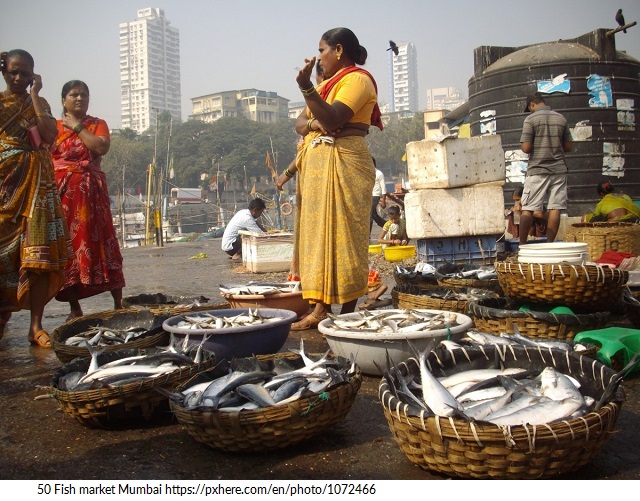
Smell experiences are related to the sufficiency of breathable air and for edible things, with taste in the mouth. The tastes and smells’ combination can be favoured, even in absence of clear space definitions. Smell of fish in the open markets, some like it others detest it. Smells have reminiscences, of which some are universal, and others, emotional (person or culture specific).

1200 SMELLS and SPACES
https://designsynopsis.wordpress.com/2021/12/24/1200-smells-and-spaces/

For Design considerations, we strongly rely on the spatial definitions. These consist of shape, size and scale of the space, and are aided by the environment. The visual, audio and tactile experiences can define a space, but the smell and taste cannot characterize a space. Both, though, emerge with the environment of the space.

The smell generating elements are of two basic types: Materials of building space and the Habitation. The built spaces have smells of their own, whether these are unused or a inhabited entity. Once we smell something in a space, the recollection of the particular situation is powerful, but lasts only for a while. The source is not a definitive part in the smell mechanism, unless it is directly connected.

Awareness of smell is related to spatial remembrances. Such recollections do not have any specific character, but rather as in-descript phenomenon, like, good, bad, pleasant, annoying etc. Remembrances of smell are in association with other things like the presence of people and other beings, objects, visual and audio qualities of the space, activities, aeration and the age of space (state of surface finishes).

It is difficult to imagine smell of a place from representations like audio, photograph, video or description.

Our spatial experiences relate to two environmental conditions, the air and moisture. Both continuously vary due to air currents formed by the temperature. Smells have a connection to feel good or bad aspect of a space. And this varies with the communities. A lay person, however, cannot separate out the space, environment and its smells.

A space, through its shape configuration and openings allows concentration or dilution of smells. Smells also change with environmental conditions, like it is fairly effective in dry and cool conditions, but higher temperature and moisture can cause a subtle petrification.

1083 SMELLS and SPATIAL IMAGES
https://designsynopsis.wordpress.com/2021/07/24/1083-smells-and-spatial-images/

Smell is substantially environmental and less of a spatial experience. Our spatial experiences with smells are substantially environmental. Smells change with environmental conditions, and the conditions of the terrain-layout and its composition are basic to the experiences of smells.
Smells have a connection to the feel good or bad aspect of a space, and this makes smell a spatial phenomenon. Axial layouts and large volume spaces encourage air change, this is easily distinguished by lay persons.

Intensive engagement and temporal over-exposures to good or bad smells, are traumatic due to the insufficiency of breathable air. Smells form dislike for the space-environment and cause loss of comfort, well being, concentration, productivity and appetite. The sense of smell is a basic element for comfort though influenced by experience, expectations, personality and situational factors.

Once we smell something, the recollection of the particular happening and its spatial setting, including involvement of others is powerful. Smell is related to spatial remembrances, but not as a single phenomenon. We tend to associate the physical (spatial) conditions such as the source of smell, rather then the classification*. In confined indoor spaces the concentrations of odours increase many times due to lack of fresh air for dilution. The sense of smell gets fatigued, but one can recover, if the causant is removed.

It is difficult to imagine smell of a place from representations like audio, photograph, video or description. Other sensorials clues like, visual, audio or tactile can be envisaged, but smells must have an imprint in memory.

Studies show that humans can distinguish about one trillion odours. Smells are part of culture and belief systems. In spite of the vast ability to distinguish one smell from the other, it has not been possible to formally define that into some rational classes. *We do not have any plausible vocabulary for different smells, it still evades the definition. An actual space with the interlaced environment lets one to predict or recall comparable smell-conditions’.

1067 SMELLS and SPATIAL EXPERIENCES
https://designsynopsis.wordpress.com/2021/07/05/1067-smells-and-spatial-experiences/

We can scale and measure a space, individually, through Visual, Aural and Touch experiences. But Smell alone cannot define a space. A space emerges through shape, size and scale, but the smell relates to the environment of the space. The smells are rarely single and the mix may originate at different times and locations. To complicate the perception, the space through its configuration and openings, allows concentration or dilution of various components of the smell-mix.

The smell generating elements are of basic three types: The style of habitation, materials constituting the space and quality of environment. The built spaces have mixed set of smells, whether it is an inhabited entity or an unused relic. In confined indoor spaces, due to lack of fresh air for dilution, the concentration of odours increases manifold.

Smells, good or bad, are associated with insufficiency of breathable air. Smells cause discomfort, and the feel good or bad aspect of it varies from culture to culture.

Sense of smell is strongly founded in remembrances of the space. The recollections, subconscious, subtle or obvious are in association with other things like the visual and audio qualities of the space. Memories of odours are significantly more intense and evocative, then those recalled by the visual or audio cues. A lay person, however, cannot separate out the space, environment and the smells.

The smell ‘habituation’ or sensitivity and ability to perceive the smells are unique to each person. The capacity to discriminate odours, reduces with exposure and age. Smell remains a primal sense. It impacts relationships with people, liking for places, foods, and products. The sense of smell enables pleasure, can subconsciously warn of danger, help locate mates, find food, or detect predators.

918 SMELLING the SPACES
https://designsynopsis.wordpress.com/2020/12/15/918-smelling-the-spaces/

One cannot separate out the space, environment and its smells. The role of some architectural components typically, openings and volumes are basic to the living with the smells. Our spatial experiences with smells substantially involve environmental conditions. We can distinguish about one trillion odours, but in real conditions, the smells many pose as a mixed profile. The smells, present themselves in different strengths and sequences.

Aristotle has classified the odours in Seven categories: aromatic, fragrant, alliaceous (garlic), ambrosial (musky) hiricinous (goaty), repulsive, and nauseous. We do not have any plausible vocabulary for different smells, instead, we tend to identify the source of smell, rather then its class, like egg, meaty, floral, nutty.

The relationship between the smell and environmental conditions are not easy to separate, to recall or recreate. Smells change with environmental conditions, like it is more effective in dry and cool, but higher temperatures cause smells to feel more pronounced as it spreads further. The spatial conditions like social company position, postures are unlikely to be the same, and our bio-physiological conditions like the mood, immediate past exposures, needs, are different.

Intensive engagement and over-exposures to good or bad smells, are traumatic due to insufficiency of breathable air. Smells form the dislikes for the space-environment and cause loss of comfort, well being, concentration, productivity and appetite. The sense of smell is a basic element for comfort though influenced by experience, expectations, personality and situational factors.

Sense of smell is related to spatial remembrances, but not as a single phenomenon. We recollect it, in association with other things like the visual and audio qualities of space.

Smell branding of spaces serve many different intentions like: familiarity, reliability, loyalty, memorability, consistency of identity, productivity, promote sales, provide sense of well being, inculcate safety-security, thematic alignment, etc.

696 SMELLS and IDENTITY of a PLACE
https://designsynopsis.wordpress.com/2020/03/09/696-smells-and-identity-of-a-place/

Historically, the urban ‘smell environment’ has rarely been a pleasant one. The smells were intimately linked with the density of population, social, economic conditions of the larger section of the community, distribution and proportion of open spaces and patterns of street layouts or their orientation and climate of the place.

Urban communities have been ghettoed in geographical isolation through political machinations and have been the basis for smells and related social, religious and ethnic, prejudicial identities.
The smell-based identity at community level has been more of visitors’ perception, as the local residents are smell habituated. In 5th C BC Sophocles describes Thebes as ‘heavy with mingled burden of sounds and smells, of groans, hymns and incense’. ….. Nero’s Rome was full of stenches of refuse rotting by the wayside, the piercing fragrance of burning myrrh from the temples, a heavy aroma of foods being cooked in the street, sweet seductive scents of flowering gardens, the malodour of rotting fish, sharp smell of urine from public latrines, and incense trail of passing procession both the quotes from -Aroma: The Cultural History of Smell.

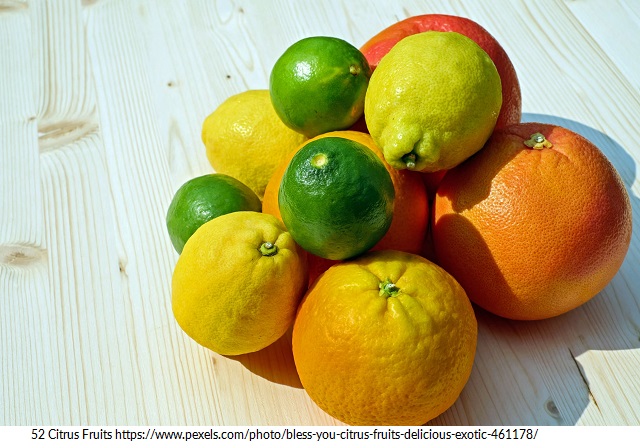
It is now accepted that smell of is an identity of a place and so co-branded with tourism. It is tangible heritage and must be preserved with the place. There is a fear that unless the totality of living and environments are allowed to flourish, or the smells will disappear. A place of built-forms but without the original smell is meaningless heritage. Smells in open spaces are also determined by plants and flowering or fruit bearing cycles. Orangeries (inside the estate gardens) were a fashion in many cities to suppress the stench of urban life.

Japanese Ministry for the Environment, and recorded and recreated, but smell of a place is variable and circumstantial such as ancient woods, sea breeze, sake distilleries and a street lined with bookshops). These were cultural legacy ‘to be handed down to the children’.

665 SENSING the SPATIAL SMELL
https://designsynopsis.wordpress.com/2020/01/24/665-sensing-the-spatial-smell/

A spatial experience arises from the shape, size and scale of a space. Smell emerges from some chemical reaction, which in turn is a sign of some form of degradation of materials. The strategies of smell removal include control of moisture and degrading agents (typically sulphur), avoiding use of materials with shorter life-cycles (such as formaldehyde, chlorine), materials that continue evolution (polymerization and decomposition) in ambient environmental conditions.

In living conditions, the role of some architectural components, typically the openings and volume are basic to the perception of smell. A space through its configuration also allows concentration or dilution of smell forming elements. In a confined indoor space the concentrations of odours increase many times due to lack of fresh air for dilution. The sense of smell gets fatigued with such intense and continuous exposure. This is beginning of physiological and physiological side-effects. Sense of smell, however, can recover, once the stimulus is removed.

Some environmental conditions, like temperature, moisture and air movement (direction, intensity and volume) condition the spread of smell and experience to be more pronounced.

Smell mainly emerges from the environment of the space. Our spatial experiences with smells are substantially environmental. An actual space with the interlaced environment lets one to predict or recall comparable ‘smell-conditions’.

587 SENSE of SMELL
https://designsynopsis.wordpress.com/2019/10/23/587-sense-of-smell/

The sense of Smell is basic element for feeling of well being. It is strongly affected by the experience, expectations and situational factors. The emotions associated with smell are culture-specific and often historical preferences and prejudices.

The smell is an associative phenomenon. It is the most powerful memory trigger. The presence or absence of smell acts as an indicator that something is lacking in the environment and so possibly unsafe, or the location is assuring and safe.

The replacement of smell, by fresh air (ventilation) or masking, both offer some sense of well-being. Dilution with fresh air is adding the quantum of breathable air. Similarly adding a fragrance is masking the unwanted odours to create a specific ambience. Masking can be intensely offensive and even sickening. Engagement with a smell could be spatially intensive and long-lasting exposure. Both are traumatic.

Smell is a culture specific phenomenon and usually associated with actual location. The smell of rotting fish as associated with seashore or shop is savoury but with garbage dumps, it is not favourable. The smells spread and diminish fast, so seem seamless. But there is subconscious effort to trace its source.

Enclosed spaces retain the smells and so have strong capacity to arouse emotions of goodness or repulsiveness. But in open commercial or public spaces the effects are more subtle, with a less emotional content. Neighbourhoods carry such subtle content, obvious only to the casual (infrequent) visitors.

Smell branding of commercial spaces, offer subtle, but exclusive environment. Offices, trade-booths in exhibitions, fashion-shows, large format retail outlets, hotels, automobile showrooms, metro UG stations, passenger air crafts, form their own olfactory environments. These are apparent only when we visit such places again or go to some other outlet.

449 SPATIAL SMELL BRANDING
https://designsynopsis.wordpress.com/2019/05/04/449-spatial-smell-branding/

Of the common sensorial perceptions, Olfactory function directly relates to emotion and sense of well being. The emotions are, some universal, others culture specific but mostly associative. The smell is seamless, and if ‘neutral’ in effect, there is no acute need to trace its source.

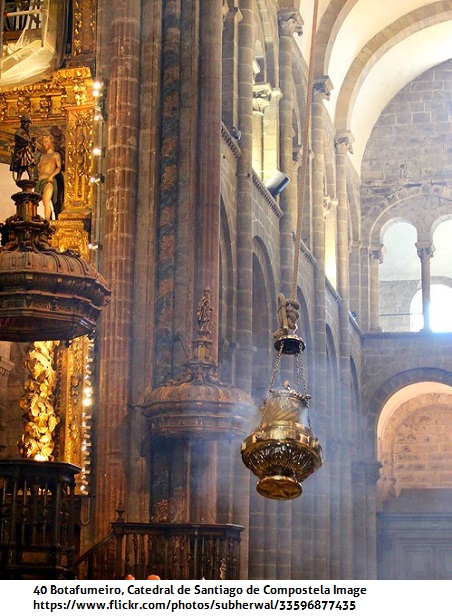
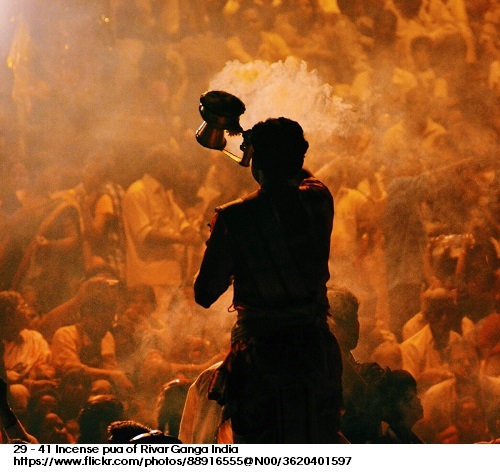
An incense in church, temple or mosque may add devotional fervour, but one infused in commercial and public places, is more subtle, masking with a less emotional content.

Smell Branding is very common in foods, beverages, medicines, soaps and edible consumables. It is now common in paints, apparels, books, periodicals, shoes, consumer white goods like ACs, refrigerators, washing machines, etc.

Smell branding of such spaces, serve many different intentions like: familiarity, reliability, loyalty, memorability, consistent identity, productivity, promote sales, provide sense of well being, inculcate safety-security, thematic alignment, etc.

“Today, Hyatt Place’s signature scent can be found in almost 300 hotels across the U.S. The scent is such a proven brand asset that it has been codified as a brand standard that defines the company’s experience and brand personality”. -https://hbr.org/2018/04/inside-the-invisible-but-influential-world-of-scent-branding

399 SMELLING the SPACES
https://designsynopsis.wordpress.com/2019/03/05/399-smelling-the-spaces/

We do consciously or subconsciously smell spaces. It is one of the important scales to ‘sense-experience’ spaces.

Smell could be pleasant, abhorrent, in-discernible or mixed. But there are no objective codes to define and often exactly replicate the smell. Our smell related experiences are very short lived and not amenable to ‘recording’.

Smells of foods are closely associated with the taste. Smell has little association with the visual experiences, except the real presence (garbage) or absence (flowers) of certain spatial conditions. Sceneries as pictures do not tell us any thing about the smell of the place. Description about is a subjective statement, because smells have a tendency to get diffused and affects everyone differently.
Conscious realization of smell does not dimensions a space, unlike many other senses like vision or hearing can do it. There is an identity of location, but smell is mostly pervasive, and so direction cannot be accurately marked.

Tactile experiences have little connection with the smell. Smell grades a space to be healthy or sick. We do register space experience in connection with the smell of the place. Once we re-smell the same situation, we recollect the place.

Smell is part of our living, but its distinctiveness does not remain with us. The recollection occurs after an interlude of other exposures. The ethnicity of a place is formed by the lifestyle of the people, flora, fauna, terrain and environment. In cities that distinctiveness may seem garbled, but the local terrain and environment are unique for each place and so the smell.

In living spaces the smells are intentionally diffused, filtered or masked for a smell-neutral place. Family kitchens, the most intensive place for smell experience is less used. And as everyone across the world uses the same technology the blandness spreads.

When astronauts return from space walks and remove their helmets, they are welcomed-back with a peculiar smell. An odour that is distinct and weird, something, astronauts have described it, like “seared steak.” And also like a “hot metal” or “welding fumes.” https://www.theinfographicsshow.com/what-does-space-smell-like/

.
.

COLLECTION of ARTICLES on MINIMALISM in DESIGN

Post 56 -by Gautam Shah

These 21 articles are from my Micro Blog site https://wordpress.com/ The Topics relate to #Minimalism, #Functionalism, #Frugality, #Brevity, #Abstract #Reductionism. The second list are articles of post Dec2021 period which are NOT included here.

105 POINT or BINDU
192 MINIMALISM IN DESIGN
219 FRUGALITY IN DESIGN
275 BREVITY in DESIGN EXPRESSION
316 APARIGRAHA and MINIMALISM
426 FUNCTIONAL ADEQUACY
455 FUNCTIONALISM in DESIGN
569 SYMBOL to SYMBOLISM
595 ABSTRACTION for COMMUNICATION
640 ABSTRACTION in ART
649 ANEKANTAVADA
700 MEANING of ABSTRACT
780 CONVERGENCE vs DIVERGENCE
840 HORROR VACUI versus AMOR VACUI
934 HORROR VACUI
978 STATE of NOTHINGNESS
1226 SHUNYATA or NOTHINGNESS
1151 EVOLVING CONCEPT of FUNCTIONALISM
1159 SUPERFLUOUS in DESIGN
1175 SPARTAN LIFESTYLE
1203 MICROCOSM

1262 VACUI and BUILT SPACE OCCUPATION
1295 MAXIMISING and MINIMISING the INCLUSIONS
1339 FUNCTIONALISM to MONUMENTALISM in DESIGN
1350 SILHOUETTE -minimalist presentation
1362 MINIMALISM versus MAXIMALISM
1524 MINIMALIST EXPRESSIONS
1678 PHENOMENOLOGY and REDUCTIONISM
1679 IMPLICIT-EXPLICIT ASPECTS of DESIGN
1682 BREVITY in EXPRESSION
1683 DISRUPTIVE THINKING

105 POINT or BINDU
According to Indian traditions point is the Shiva, a Bindu where consciousness (all senses), converges, and from which creation begins. Bindu (centre of the forehead) is the focal point of all perceptions (like two eyes (seeing), two ears (listening), nose (aural) and mouth (taste), and the pervasive sense of touch) converge here to complete the cognition. Hindu ritual design of Yantra and Mandala have a focus. A bindu is the portal, not an edge of a threshold but a point. It is beyond or out of the mind, a realm, from where time, space, and causality manifests. Bindu means point or dot; the word is derived from the root verb ‘bhid’ or ‘bhind’, which means to burst, to break through. Piercing, breaking, or bursting through the bindu is the last stage of attainment. A bindu is described as the Void or Shiv (the Nucleus) suffused with the Shakti (Electrons?).

192 MINIMALISM IN DESIGN
An Expression to be effective requires condensation and rearrangement of the content. The minimalism takes many different forms, in Art, it takes abstraction of form or story, in Writing, it turns to recitable poetry, and in Built forms (product design and Architecture) it needs to remain steadfast with sheer functionality.
In audio-visual expression, the re-enactions are never faithful to the original, and yet the improvisation can be creative. For minimalism, the productivity is just the frugal use of means, but efficiency of the process. Minimalism is the distinctive impression created through the space and time scales. ‘In design, clarity trumps the brevity’.
The word Frugality stands against Substantial. A thing, substantial, is more ‘down to the earth’, but conversely a minimal entity is infinitesimal or spectral.
Bauhaus was about rejecting the unnecessary things that had begun to undermine the functionality of designed objects. Minimalists ask, What can we strip away without losing the purpose and identity? This is in stark contrast to Redesign Engineering ideology, which ask, What can be redefined? And the search is not a “Eureka”, but adopting and improvising the operative efficiency available in competitive offerings.

219 FRUGALITY in DESIGN 
Striping entities of all unnecessary elements has been a design attitude since nearly a century. The attitude formed in an age when decorations had become cumbersome and concealed the purpose or meaning. The stripping reduced the mass of both, the space and materials. This in turn made the operations (movement, carriage, handling) efficient.
In arts, literature, performing arts and design, lot of empty or ethereal spaces were left over, due to use of fewest and barest essentials for expression. The process, however, affected the meaning that elemental vocabulary offered. Earlier, vast array of elements camouflaged the chances of multiple interpretations. But striped entities were prone to multiple and de-constructive interpretations. These proved devastating. Some allowed such destruction as the game of abstraction and privilege of the ‘other party’.
As furtherance to the ‘stripped or minimal approach, creators stop short of adding any interpretive expressions. Creation is left to the perceiver or the stakeholders. ‘Frugality in Design was never inspired by poverty or carried out for austerity’.
In reality the Frugality in Design has been more a superfluous process. Instead of removing the unnecessary, simplicity is achieved by adopting simple shapes, monochromatic primary colours, directional textures, greater use of intervening spaces, anonymous styling.

275 BREVITY in DESIGN EXPRESSION
Brevity in Design relates to two fundamental measures, the TIME and SPACE. And the calibration of both, leads to efficiency. Brevity in architecture is a reflection of minimalism. It comes from a yearning to ‘shed weight’ so as to be less ‘substantial’. In architecture (and also other forms of design) ‘substantial’ translates into monumental or elaborate. A monumental entity, must confirm to the stabilizing force of gravity, and so should be large and wide-based. An elaborate entity could be multi-functional or multi-faceted, satisfying many needs.
The superfluous ‘becomes intense and dense’ in ‘classical ages’ that reappraisal becomes necessary not to discipline it but to discover the ‘new’. But such pursuit for Brevity starts at personal level, and is initially a preconception. By the time the originator and followers understand the means and methods of it, it may become a style weighed down by ‘substantial’.
Brevity as a doctrine has many subscriptive forms, like, ABC art, minimal art, reductivism, rejective art, De Stijl, neo-plasticism, Bauhaus movement, minimalism, Ludwig Mies van der Rohe’ Less Is More and Traditional Japanese art.
Brevity (First attested in English in 1509)has origins from Latin -brevitās or brevitātem, Anglo-Norman brevité, Old French brieveté (=br -brave + evity -evidence).

316 APARIGRAHA and MINIMALISM
Aparigraha means non-possessiveness or being non-greedy. Aparigraha is the opposite of Parigraha, which means, to amass, crave, seek or seize material possessions.
Aparigraha is one of the virtues in #Jainism. It is also one of the five vows that both the householders (Sravaka) and ascetics must observe. Aparigraha is a desirable self restraint and sincerity (as a fellow citizen) for possessing what is absolutely necessary and so minimum.
(#Jainism -a religion in India, originating in roughly the same time span as Buddhism).
American scholar Richard Gregg coined the term ‘voluntary simplicity’ to describe a lifestyle purged of the inessential. My space is small but my life is big.
The concept of minimalist design was to strip everything down to its essential quality and thereby achieve simplicity. Thereafter nothing can be eliminated ‘to simplify or improve the design’. Minimalists not only ‘reconsider’ the physical qualities but spiritual meaning also.
This usually creates a design statement that is very frugal and personal. And it requires converts, who can understand, believe and accept it. If you are a design service provider that needs spirit and energy of a crusader.

426 FUNCTIONAL ADEQUACY
A space is perceived to be small, adequate or large in terms of the ergonomic facilitation for various tasks. Occupation of spaces with unusual proportions (combinations of lengths, widths, and height) and sizes require extra efforts of functional accommodation.
Functional adequacy of a space is checked for: tasks conduction, social interactions, degree of proximity for intimacy and privacy, security, cognition, physical reach, communication and expression.
A space must offer adequate sensorial responses, such as echoes, reverberation, reflection, illumination, glare, vision. Space adequacy offers social interactions, and supports expression and communication. Space size and shape bear upon the intimacy and privacy inhabitants need.
Same space may be experienced to be of a different size depending on the recent experience. Functional adequacy of a space is also determined by the physical and cognitive reach. Former is important for functional needs, but the later one offers sensorial satisfaction. For both, the quality and depth or extent can be modulated by reach tools.

455 FUNCTIONALISM in DESIGN
In the wake of World War I, an international functionalist Design movement emerged, riding on the wave of Modernism. This was triggered by consumer product periodicals that had wide base of female subscribers.
The movement was for achieving purity in design of a product through functional relevance. This was gaining momentum with a similar trend in art, architecture and craft-artefacts. It was for reduction and restrain with the aim to remove the unnecessary and put the essential in the spotlight. These trends in Design were confirming to than current ideas of socialism and humanism.
Louis Sullivan’s 1896, idea of ‘form ever follows function’ was more metaphysical than being practical to users’ needs. It was more reflective of ‘lack of (‘excessive’) ornamentation. Some treated as ‘bald and brutal’ manner. Philip Johnson daringly ‘held that the profession has no functional responsibility whatsoever’. The postmodern architect Peter Eisenman was more extreme, ‘I don’t do function.’
From all these personal interpretations products, art and architecture began to rely of structural stresses as expressed through straight line and right-angled geometry. This was bereft of emotion, as good design should be ‘clear and unobtrusive.’ The success of functional design was in the rationality and cost effectiveness, as it removed wastage of space and materials.

569 SYMBOL to SYMBOLISM
The word symbol derives from the Greek word σύμβολον symbolon or symballein which means to put or throw together. An object like decorated pottery was cut in half and given to two different people, who were to reassemble (throw together) the two halves for the acknowledgement of the alliance.
Symbol was a token used in comparison to determine if something is genuine. A symbol is a mark, sign or expression that meant something that stands for something else. It indicates an idea, object, or relationship.
First symbols were linked representations of the original, but over a period and after profuse usage, multiple conversions take place. Each such conversion diffuses the original trace, and changes the meaning and intention. Each such transition made the symbols extra ordinary brief and economic expression. Symbols have region or culture specific relevance and so serve a finite purpose in a time-space frame. Symbols have transient relevance.
Symbols are essentially meant for abridgement of expression, where both, the conveyance (time) and storage (space) are to be economized.
Symbolism as a style of expression was exploited in literature, painting and many other fields. It was largely a reaction against the naturalism and realism, anti-idealistic styles of 1800s ‘Symbolists believed that art should represent absolute truths that could only be described indirectly.’ Symbolists, were not kind to ‘plain meanings, simplistic interpretations, over-sentimentality and matter-of-fact description’. Their agenda was to ‘depict not the thing, but the effect it produces’.
The symbolist painters relied on imagery which was very personal with unusual forms. They ended up supporting a philosophy, than launching an influence. Symbolism in art influenced the expressionism and surrealism.

595 ABSTRACTION for COMMUNICATION
Communication occurs through writing, orally, gestural deliveries and through metaphors or graphics. Authors usually have some knowledge about the target audience.
All communications use spatial or temporal assets and so need to have minimal content. The tradition is ancient one, as knowledge was conveyed orally as Shrut Gyan’ (Vedic mantras are in easy to remember and in recitable form).
For content rationalization several strategies are resorted to. The contents are abstracted by removing all time-space gaps and less important information. The language in Internet chat-rooms, whats-app, etc. shows the nature of abstraction spreading across the world. Here common words are shortened by eliminating vowels and are denoted by their phonemes. Symbols and metaphors are also used to squeeze the contents.
The contents are sequenced, with time as the operative element. Oral or gestural deliveries are sequenced in time and so are lineal. Writings can have non-lineal arrangement if aided indexing. Graphical formats are impressionistic, rely on the holistic effect.
The focus of abstraction and communication are through the retrieval and re-enactment of content. So what one strongly feels, desires, believes, becomes the force-de-majeure.
For frugality of expression beginning with a pre declaration or concluding with a definitive statement
The contents can be minimized by forming bridges (e.g. hyperlinks, bibliographies, index) to create a seamless statement or a larger concept. A well linked or cited content vouches its authenticity through circumstantial referencing.

640 ABSTRACTION in ART
Abstraction is a process of removing irrelevant appendages from the idea, thought or concept. This reduces the complexity and increase efficiency.
Abstraction in Art began with the removal or de-emphasis of the background or the context. This allowed the thematic concept to be perceived not just distinctly but in a different manner. The abstract Art was more concerned with the later. The newness of the object independently of its associations or attributes provided an exciting option to impressionism and expressionism. Both the -isms were substantially dependent on negation through colour, texture, form depiction, foreground-background delimitation, depth representation with intensities, perspective or scaling, and environmental connections like light and shadows.
Word Abstract derives from the Latin Abstrahere =to divert and Aabstractus =drawn away, drag away, detach, pull away, divert. It is an assimilated form of Ab =off, away from + Trahere =to draw.In computer programming abstraction hides all but the relevant data about an object.
Acute abstraction takes away the reality. The subject is not sought or to be recognized. It has no bearing of perception like top-bottom, left-right, real or mirror. But on massing the abstract creations, do reflect the creator and that becomes the style. It is the mannerism that becomes universal. But before that universalism sets in the Art moves to something New.

649 ANEKANTAVADA
The word ‘anekaāntavāda’ is a compound of two Sanskrit words: anekānta and vāda. The word anekānta itself is composed of three root words, ‘an’ (not), ‘eka’ (one) and ‘anta’ (end, side). These three together connote ‘not one ended’, ‘sided’, ‘many-sidedness’, ‘manifoldness’ or ‘many pointedness’.
According to ‘Jain’ (Indian religion that originated in roughly the same time span as Buddhism) doctrine, there is no absolute truth or reality. Anekantavada has also been interpreted, to mean non-absolutism. It is said no single concept can describe the nature of existence and the absolute truth.
Every truth is incomplete, and at best a partial truth. The ultimate truth and reality, if any, are complex and multi faceted. All knowledge must be qualified in many ways, including being affirmed and denied. Anekantavada is a fundamental doctrine of Jainism.
According Jainism reality has many facets, which are difficult to be perceived by one person or through several cycles of life. Different people interpret different aspects of it. Their conclusions are good for them and in the time-space context.
Reality is what we perceive and also of what we do not perceive. We cannot understand the reality unless we are ready to accept both. So all conditions have potentials of many truths.

700 MEANING of ABSTRACT
The word abstract in fine arts is something that lacks representational qualities and so difficult to understand or obscure (since 1400AD). Expressionism in art was conditioned representation but it graduated to ‘uninhibited approach’ for expression of things that were essential, minimal and carried a personal meaning. A personal meaning that the creator perhaps branded with a title but never had to elaborate or justify. Abstract refers to creations not concerned with the literal depiction of things from the nominal world of perception. The tag abstract is being substantively used since 1920 (for works of Kandinsky and others).
Abstract is meant to be withdrawn, separated, pulled away or detached, content in ‘metaphoric’ form. But the other realm of the metaphor is unavailable. Abstraction is a graduated process. The creative person, perhaps has already seen several sequential earlier versions, and that offers not just greater maturity but more an abstractive result.
The abstraction though detests confirmation of any order is now getting classed into several categories. Intensional deconstruction of scale, form, proportions, colour, texture, motifs, geometry, etc. have led to new ways of abstractions. An abstraction is seen as a process condensation and selective or experimental elimination. But synthesis leaves out some trail of process and so not favoured. It also abhors the specification or explanation. But as said in Architecture, ‘one cannot conceive anything that is un-contractible’. Reality is omnipresent.
Abstraction generates images that are not easy to connect to the past, in the same manner things that are unfamiliar seem to be abstract.
Medieval Latin word abstractus, and its past participle of abstrahere means to drag, pull, take away or remove. Abstraction, from the Latin, is the process of taking away or removing characteristics from something in order to reduce it to a set of essential characteristics. Abstraction turns physical things to nonphysical entities like ideas. In science abstraction involves synthesis (several) theories into one general theory.
In programming software the process of abstraction means identification of routine processes and indexing them as objects.

780 CONVERGENCE vs DIVERGENCE
Convergence means bringing together many different things together for a conceptual or real whole. The ideal for convergence is Bindu or Point. In Indian philosophy a Bindu is described in two distinct forms, Jyot (light) Bindu & Naad (sound) Bindu. Both, as sensorial phenomenons are perceived through dual nodes, but cognised as a single entity.
Convergence is assimilation of things or energies, and reducing or condensing to a point. The act of focussing forces one to reject the unessential. Convergence is a process of rationalization, where connections have little meaning. Connections are time and space interventions with own protocols of negotiation. When the connections get converged, there is greater chance of calescence.
Design rarely emerges from convergence of ideas, concepts about styles, manners, materials or processes. Design emerges from radical divergence, something that is not mundane, presupposed or expected. To include that element of divergence, one must create a conceptual whole and then try to intervene with a divergent element. Divergence allows one to move far and apart.
Convergence is the ability to turn the two eyes or ears to focus -Jyot (light) Bindu & Naad (sound) Bindu. The question arises here, Why only these two senses are involved in convergence? The Vision and Sound are the two sensualities that can configure the space and time.
Convergence stimulates one towards inclusive design. But these can be irrelevant and without meaning. It may even be lost or forgotten. But some inspirational indulgence can endow a new character. It becomes the design signature.

840 HORROR VACUI versus AMOR VACUI
Horror Vacui denotes a ‘fear of empty space’, and its antonym Amor Vacui is the reverence for emptiness. The later are White Spaces, meaning ‘unoccupied intervening spaces’.
In the Victorian, Baroque and Georgian eras, affluence was seen in embellishments, and poverty was reflected in absence of the ‘superfluous’. The embellishments reflected resources, culture and experience. Emptiness was ‘Spartan’ or simplicity.
In all forms of expressions, arts, crafts, literature, music, drama, the space, time, opportunities or media were few and expensive. Oral knowledge or ‘Shrut-Gyan’ was crammed as recite-able stanzas, composite words and metaphoric expressions. Writing media paper and printing were once scarce, resulting in choked paper layouts. Art paintings, mosaic murals and stained glasses were packed with characters, animals, angels, motifs, background scenery with buildings and trees.
It was Aristotle who theorized that ‘nature abhors an empty space’. It was observed that a physical vacuum is impossible or a state of nothingness does not exist.
Italian art critic and scholar Mario Praz used ‘Horror Vacui’ as term to ‘describe the excessive use of ornament in design during the Victorian age’. Islamic mosaic decorations on building were at both extremes, as a simple wall colourant and motif laden patterns. Other examples ‘Horror Vacui’ includes carpets, Victorian interiors, and modern day Road signage in Tokyo and New York Times square plaza.
Now during the past two centuries decoration has become a dirty word followed by concepts like form follows function and less is more. The value of the whitespace or intervening time-space distancing has emerged vigorously. The ‘busyness’ of content is not necessarily attention catching. Leonardo da Vinci had foreseen this by saying, ‘simplicity is the ultimate sophistication’.
On stage, physical set properties are now ‘thinner’ replaced by sound, illumination control, use of visual dynamics of movements and inclusion of VR. In music silent gaps have become emphatic.
White space is to be regarded as an active element, not a passive background.’- Jan Tschichold.

934 HORROR VACUI
Horror Vacui is a Latin term meaning ‘fear of empty space’. Its near equivalent term Kenophobia, is a Greek term meaning ‘fear of the empty’. It relates to art, architecture, science, music, stage performances and many other expressions where unused spaces or moments abound. It is a very old recognition of human mentality, to fill up entire space. Aristotle ideated, the term saying ‘vacuum is impossible as nature abhors an empty space’.
The term has been interpreted differently and often recognised subconsciously. The problem of emptiness has primarily been an issue of tension that occurs ‘when spaces and moments do not connect’. The immediacy of neighbouring elements is defined by many things like the sensorial distancing, thematic identity (size, form colour, texture, etc.), characteristic indicators of direction, movement, etc. To imply emptiness, these may be avoided consciously or misplaced. One must recognise the intermediate emptiness for its value of tensileness.
The creator’s mentality, even if it is to persist with formation of the emptiness, the next generation will not tolerate the intermediate silence and fill it up with some thing. ‘Horror vacui uses high levels of detail to contrast with the sublime unknown.’
Horror vacui meant the fear of an empty space, so its antonym was Amor vacui -the worship of emptiness. White space is to be regarded as an active element, not a passive background.’ -Jan Tschichold.

978 STATE of NOTHINGNESS

Nothingness has been often the pursuit to reduce the content (physical and metaphysical). To achieve a state of nothingness, one needs to achieve voidness, vacuity, emptiness or hollowness. Buddhist Pali Canon terms nothingness as a state of Sunyata (emptiness), in three different context 1. as a ‘meditative dwelling’, 2. as an attribute of objects, and 3. as a type of awareness-release.
According to Shi Huifeng, the terms, void (rittaka), hollow (tucchaka), and coreless (asaraka) are used to refer to words and things which are non essential, worthless, deceptive, false or vain.
The sense of nothingness emerges with realization of worthlessness and vacuousness, being the form of Maya (illusion or appearance of the phenomenal world).
Since the times of Parmenides (5th BC ), there is a debate, if an empty world is possible, whether there are vacuums, and about the nature of privations and negation.
Nothingness, as a concept has become part of the ‘meditative dwelling’, to discard things that are irrelevant.
Kazimir Malevich developed the concept of Suprematism, to gain primacy of pure feeling in creative art. He created ‘a suprematist grammar based on fundamental geometric forms, the square and the circle’. These ideas were in contrast with positions of Constructivism and Materialism. Former was concerned with utilitarian strategies of adapting art to the principles of functional organization, whereas the later, expected the artist to be a constructor ‘of organizing life in all of its aspects’. All three ideological movements were reacted through, Deconstructivism. This was a movement of the1980s. It intentionally gives an impression of the fragmentation to break the formal order by absence of obvious harmony, continuity, or symmetry.
To achieve state of nothingness one has to form a meditative dwelling, a metaphysical object. But Artists, Architects or Designers who express things through the attribute of objects, cannot realize a real or unreal (Maya) dwelling out of nothing.

1226 SHUNYATA or NOTHINGNESS
There is classical Buddhist text Milinda-Panha (1st C BCE), where Milinda =King Menander of Bactria, Greece and Panha =questions or queries in Pali. It describes a dialogue between King Menander of Bactria and a sage named Nagasena.
Menander administered a large territory in the NW regions of the Indian Subcontinent from his capital at Sagala. He was a covert to Greco-Buddhism. Many of Menander’s coins have been unearthed in the region.
Nagasena asked the King about his chariot and then described taking the chariot apart. Was the thing called a chariot still a chariot if you took off its wheels? Or its axles? At exactly what point does the chariot reaches a state of Nothingness? The chariot is a designation given to a phenomenon, and there is no inherent chariot-nature, dwelling in the chariot.
Nagarjuna (born 150BCE) was Indian Mahayana, Buddhist thinker, scholar-saint and philosopher. Nagarjuna’s major thematic focus is the concept of Shunyata (Shoonyata =emptiness, vacuity, voidness, devoidness, hollowness, coreless).
In Buddhist texts, Shunyata or emptiness is described, 1 as a meditative dwelling, 2 as an attribute of objects, and 3 as a type of awareness. Similarly the manifestations of emptiness are form -‘a lump of foam’, sensation -‘water bubble’, perception -‘mirage’, formations -‘a plantain tree’ and cognition -‘magical illusion or maya’.
Emptiness is a Nirvana like state. But in visual and other performing arts, emptiness in time and space, both are abhorred. Horror Vacui (Latin for ‘fear of emptiness’ -Kenophobia), is occupying every moment and extent. Ref: Horror Vacui -https://designsynopsis.wordpress.com/2021/01/07/934-horror-vacui/

1151 EVOLVING CONCEPT of FUNCTIONALISM
Functionalism in Design is a concept as old as the human civilization. Every human creation over the age stagnates, refuses to change for new materials and rediscover new technologies. The society also fails to adopt new forms or even accept new functions for the impressive new experiences.
The Greek, Egyptian, Mycenaean, Roman, each culture had own comfortable materials, technologies and favoured forms. Each culture though perceived these to be lacking in something. It was realized that some logical deduction was necessary to adopt it. The rational of simplicity were in the form reductionism.
The need to work on the ‘basics’, was defined by Vitruvius as ‘utilitas’ (translated as ‘commodity, convenience or utility). And the ‘utilitas’ were to offer ‘venustas’ (beauty) and ‘firmitas’ (firmness). He claimed buildings needed to be useful, stable, and beautiful.
Gothic buildings rose to modify the cumbersome and claustrophobic Romanesque buildings with spaces of ‘simpler’ configurations’. Augustus Welby Pugin (Gothic Revival stylist Architect 1812-1852) wrote ‘there should be no features about a building which are not necessary for convenience, construction, or propriety’ and ‘all ornament should consist of enrichment of the essential construction of the building’.
The historical revivalism of architectural styles had little to offer in 19 C to the new needs of developing world, in terms of what Vitruvius had said for the ‘utilitas’.
The ‘form follows function’ by Louis Sullivan, in the 1880s, in 1920s ‘house is a machine for living’ by Le Corbusier, and many others have defined the functionalism with diverse and partly contradictory artistic and social terms. Everyone began to justify their creations to be more functional. There were many similar concepts, reductionism, austere-ism, functionalism, minimalism, formalism (form for form’s sake).

1159 SUPERFLUOUS in DESIGN 
It is very difficult to isolate any part, component, element or a system as superfluous from an enacted Design. The isolation could be physical dissection or metaphysical disregard or delusion. An enacted Design is an integrated entity that has turned holistic, complete and unique in every sense. The Design process has nothing ‘beyond what is needed, un-necessary, extra, too much, or obsolete.
The word, superfluous comes from Latin, it derives from, super (‘over’) + fluere (‘to flow’), literally =‘overflowing’.
In simple terms, ornaments or embellishments are elements that are not structural, that is perceived to be >less purposive, functional or relevant<. Three categories of superfluous entities in any enacted design can be sensed, such as, Mimetic, (Imitative), Symbolic (metaphoric significance), and Extrinsic (emergent).
The Mimetic entity is the imported one, as the best fit into a situation or experimental. The content is gestated, so is difficult to trace the origins. There is rare realization that it is not ethnic, because of its impressionistic character. The process matures to uses for new materials, geometry, form and spatial configurations.
The Symbolic entity is well-matured design enaction, in part or whole. To accept, it needs to be separated from original setting, and customise it. Such transplantation could occur as the motifs forming new patterns that can free it up from the metaphoric moorings.
Extrinsic entities are products of adaption, usually post enaction of the Design, carried out by non-designers, other designers or users. It is an instant gratification for change, new experience, additional functionality or being relevant to the surroundings.
Superfluous entities can also be classified as
1 Things that follow building’s fundamental geometry, shape, size, contour, form, etc., and enrich them.
2 Things that reinforce the symbolic value of the design by helping build certain type of narrative.
3 Things that modulate the form and functionality of a design, by offering values like style, theme, consistency, novelty, etc.

1175 SPARTAN LIFESTYLE
Sparta, ancient Greek city-state had a reputation of military culture, with a severe and highly disciplined way of life, lacking many means of comforts. Greece had two city states, Athens, with rich or affluent life versus Sparta with ascetical life. The Spartans lived in southern Greece, from 650BC to 396 AD. Today Spartan life reflects sternly disciplined and rigorously simple, frugal, or austere living.
For Spartans, character, honour and virtue were important. They did not trust philosophers or intellectuals, believing that wisdom should be displayed through deeds. The Spartans were notoriously Laconic (=use of a minimum of words, concise), a word which comes from Laconia, (the region of Sparta). Spartan king ALCAMENES led an austere life, because a noble man lives according to reason, rather than according to his desires.
Spartan art and architecture were beautifully rendered, which is fairly contradictory to belief about the lifestyle.
Spartan way of life was frugal or minimal compared with the Athenian, the substantial. A minimal entity, is not necessarily infinitesimal or spectral, but rather selectively eliminatory (strip-down the unessential) or of denial. For such enforcement, a strong and singular belief must prevail. For Spartans, it was a case of survival as much as political proliferation.

1203 MICROCOSM 
Microcosm is a perceptual entity that replicates a larger system. It is often considered as a contrasting concept of Macrocosm. A Tamil (Indian Language) line explains as ‘Andaththil Ullathu Pindathilum Ullathu’ and a Sanskrit line describes ‘Yat Pinde Tad Brahmaande’, both meaning the same =. What is in you, is the same as the Universe.
Microcosm and Macrocosm, both reflect the complexity of things, at whatever the scale. This shows the limitations of human thought and distinct incapacity to understand the complex processes. At both the levels, things that cannot be comprehended easily, explained ‘logically’ and universally applied, to all conditions and situations, find an inclusive approach or justification.
The analogy between the whole and its parts (or parts and the whole) served many purposes, such as to develop cosmology where the metaphysical relationship between man and universe can be perceived. Such a postulation helped find a space for the God and place for the smallest live thing, material objects or even metaphorical things like ideas, beliefs or concepts. It helped universe for the soul to exist.
The word microcosm has been discussed in many cultures over the ages. Microcosm derives from Latin microcosmus where mikrós=small, and kosmos =world. The concept of microcosm was known in Arabic as ʿālam aghīr, in Hebrew as olam katan, and in Latin as minor mundus.

TACTILE PERCEPTION

Post 55 -by Gautam Shah

(Lecture series: Space Perception -Article-IX of 15delayed documentation)

.

1 hands-4392583_960_720

Our Sense of Touch is controlled by a complex somatosensory system. It is a network of sensory neurons and neural pathways that responds to changes both, at the surface or inside the body. It covers all the tactile sensations, like cold, hot, smooth, rough, pressure, tickle, itch, pain, vibrations, etc. The Tactile experiences act as reinforces for other sensorial encounters. Tactile or touch perception not only modulates our experience of objects but, senses the affectations of the climate. A touch receptor node is very adaptive, as it can immediately senses the changes. These changes include start and end of the touching and any variation within it.

2 serrai-di-sottoguda-dolomites-ice-falls-marmolada-malga-ciapela-sottoguda-belluno-veneto-italy

All sensorial nodes of perception are fairly localized, except the touch. Touch nodes are spread across the body, though some of the body parts are more sensitive (face, hands -finger tips) than others. Tactile perception, if corroborated by other sensory perception, it reinforces the experience, but this is not a perquisite.

12 Feeling of Exhileration httpswww.flickr.comphotosbmaharjan217015

Typically, the perception of textures of Visual and Touch, need mutual confirmation. So we try to feel the surface as soon as we have seen it. Tactile experiences are generally real, but could be presumptive. We tend to presume or relate certain experience under specific environmental conditions. Brightness and warmth or darkness and coolness are co-related. Similarly air movement (on skin) and freshness (smell), are related due to dilution of foul air. Elevation (territorial) is sensed by body as drop (or rise) of air pressure, but reinforced by the reduced (or increased) proportions of oxygen in breathing.

21 dough-1394214_1280

Experience of Texture as touch, have several components, like the roughness, direction of grain, movement direction of the body limb, surface temperature, moisture, immediate pre-experience, past remembrancers and associated environmental conditions. All these act as arousal or diffusing factors.

10a Playing in MUD -wallpaper-preview

Perception of Visual texture depends, degree of gloss, colour, angles of illumination, and past touch associations like warmth, stiffness, etc. The expectations for a visual texture as aroused for a certain tactile experience, plays a great role (or other way around, the expectations for a tactile texture as aroused by a specific visual encounter). The dis-confirmation between the expectations and real experience is always very exciting an affair.

4 women-in-yellow-dresses-surrounding-and-putting-paint-on-woman-s-face

The exciting affair is based on Two factors. The Contrast (expectation versus real experience) is remarkably acute, or the experience is Confirmative. One can design for the tactile-visual experiences for both, non-affirmation or confirmation. With e-commerce, we have to perceive the tactile details from only visual feed. We learn to judge the texture by relying on past experiences, but the visual feeds in e-commerce are continually manipulated, and so, impressionistic.

19 shopping-woman-girl-shop-trade-buy-sale-discount-business

While dealing with products, the textures are experienced through not just hands, but for personal or wearable items the contact with the relevant skin areas is involved. ‘Perception of touch has Three manifests. 1 Passive touch, where one is being touched like the caress (being touched upon), 2 Active touch, where one discovers the touch as a voluntary action, but explores it further, and 3 Interactive touch occurs with the encouraging response.

18 Elephant Trunk Skin Touching experience

Massage is a tactile craft of relaxing body muscles. It is carried out by hand, feet, knees, heated stones, woods, etc. and using many different mediums, like hot air, smoke, water, oils, extracts, flour dough, vibrations etc. The earliest word for massage in Sumerian and Akkadian texts of Mesopotamia was muššu’u. Massage word comes from the French massage (=friction of kneading) and from the Arabic word massa (=to touch or feel). There is another word of the Portuguese origin, amassar (=knead), from the Latin massa (=mass or dough)”, from the Greek verb massō (=to handle, touch, to work with the hands, to knead dough). A distinctive words in ancient Greek for massage was anatripsis, and the Latin word frictio.

8 U.S. Navy photo by Mass Communication Specialist Seaman Mike Leporati

3 adult-asia-asian-bali

Touch is closely related to the identity of Five basic elements: Fire, Air, Water, Earth, Sky (nothingness). Each of these is experienced through Touch. Fire=warmth, Air=pressure, Water=moisture, coolness, Earth=Energy and Sky=life. The connections and interpretations vary from culture to culture, but all are part of spiritual, religious and human interaction practices of the world.

17 colorful-upholstery-fabric-samples

Commercial merchandise managers encourage, one to try out the clothes, shoes, food items, etc. Here not just the ‘feel’, but handling or ruffling sounds, smells, electric charge, etc. reinforce the experience. To these reinforcements the ambience of place adds to the experience. These are some of the sensorial reinforcements not available in e-commerce or communicable media. Perhaps future will transmit such experiences.

bakery-1868925_1920

The Food Experiences are formed of several factors, such as visual, audio and tactile (hand and in the mouth -chewing, turning around with tongue adding of saliva and partial digestion) stimuli. These factors affect consumers’ likes and preferences of eatables. There are several words that describe the food experience as, soft, hard, rough, creamy, crispy, mushy, sticky, lumpy, liquid, solid, etc. These encounters relate to physical properties like density, viscosity, surface tension, and electrical charges, temperature, moisture and other tastes and odours. Food experiences also relate to ambience of the places (formed of place, serviettes, sequencing, gaps or delays and accompaniments).

15 Crowding can turn into bearable-acceptable or detestable touch with implications of Sex, age, religion, skin-colour, social strata , etc. edpix.comphotodownload1342409

Dysesthesia or Dysaesthesia =abnormal, inappropriate or unpleasant sensation of touch. The word comes from the Greek word, dys =not-normal’ and ‘aesthesis =sensation’.

14 Dysaesthesia =abnormal, inappropriate or unpleasant sensation of touch 3148689555_840d95c7da_c

Presence or absence of Electrical Charge in objects has a great role in modifying the touch experiences. The objects include materials, products, foods, fabrics, shoes, etc. and architectural elements like table tops, furniture surfaces, floors, knobs, handles, railings, toilets, etc. These may gain charge on contact or on being rubbed (tribo-electric effect #). The charge may remain as potential due to poor conduction. Electric charge from lifeless things may create a detestable feeling. Electric charge is sensed through human to human touch like in case of accidental contact or conscious reach like a handshake, kiss, hug, caress etc. These later, interactions are more pronounced when the contact is casual brush to be shocking or little longer lasting for realization.

13 Electric Slide Charge Flickr

# Tribo-electric (tribo=rubbing or friction -Greek) effect is from static electric charge. Its strength depends on the type of material, surface roughness, temperature, etc. When two materials can attract or deject each other depending on, if these are molecularly the same or different.

11 Feeling the vibrations of Radial pulse

Vibrations are experienced by skin through the mechanico receptors (The receptors perceive sensations such as pressure, vibrations, and texture). The mechano-receptors in the skin, sense four different stimuli of varied duration. The electro-tactile sensations are felt as vibration, touch, tingling, itching, pinching, pressure, and pain.

Merkel cell nerve endings are found in the basal epidermis and hair follicles, perceive low vibrations (5–15 Hz) and deep static touch such as shapes and edges. Tactile corpuscles sense moderate vibrations (10–50 Hz) and light touch. They are located in fingertips and lips. They help read Braille and feel the gentle stimuli. Pacinian corpuscles distinguish rough and soft substances. They react to vibrations around 250 Hz. These react only to sudden stimuli like clothes and hand-held tools. Bulbous corpuscles are slow to react but respond to sustained skin stretch. They have kinesthetic sense and control the finger position, detect slippage of objects, movement etc.’

16 Matrix Touch Screen by DJCraig

There are three tactile sensory systems, cutaneous, kinaesthetic and haptic. First two are referred to as tactual (active-passive) perceptions. The Haptic experience is active touch to communicate or recognize objects.

10 La Coiffure - Berthe Morisot

Haptic (from Greek haptikos=Tactile or sense of touch) technology creates an experience of touch-reflex or acknowledgement by creating force, vibration, or motion to the user. It is also called kinaesthetic communication or 3D touch. These are used to control virtual experiences, like remote control of machines and devices (tele-robotics).

20 CSIRO Haptic workbench in the training of student doctors

Fabric-hand is a collection of several sensory perceptions. It indicates smoothness, compressibility, elasticity, creases, etc. of the textiles. It shapes the aesthetic qualities and perceived comfort of comfort. Drapability manifests from the ‘fabric-hand’. It combines effects of several factors, such as stiffness, flexural rigidity, weight, thickness, etc. Soft fabric drapes closer to the body forming ripples, whereas stiff fabric drapes away from the body. Stiffness of fabric itself depends upon ‘geometrical’ character of the fabric.

7-India_-_Varanasi_fabric_market_-_1723

.
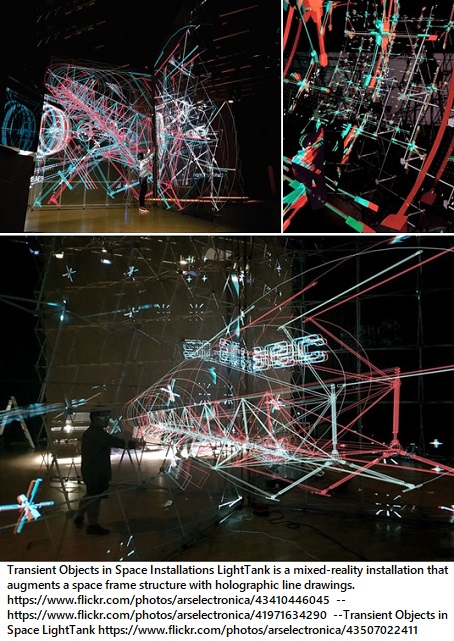
RELATIONSHIPS BETWEEN OBJECTS

Post 53 –by Gautam Shah

(Lecture series: Space Perception -Article-VIII of 15)

.
1 black-and-white-people-road-street-photography-city-317783-pxhere.com

Perceivers establish several orders of relationships with objects referenced in a space. The objects are sensed as real things, recollections, and intriguing mix of both. The real things, also include physical objects and the perceivers themselves. Both are sensed due the environment. Recollections, as remembrances and dreams, derive from the experiences, and are not dependent on the actual environmental conditions or the presence of physical objects. The real things and recollections often get mixed up due to sensorial and psychical aberrations.

2 Relationship of Objects in space httpspxhere.comenphoto23760

The Relationships between objects in space is seen in many references.

[1]   Objects and the environment form the process of space perception.

The objects and the environment affect each other, and these form the process of space perception. For all humans, affectations are nearly universal, with minor differences due to the physiological conditions (age, sickness, deficiencies, psychical, etc.) and quality of past experiences. Recollections are the impressions of past experiences, but in parts. Recollections occur on cues from the expectations. Expectations and recollections add a new flavour to the space perception.

Our experiences consist of happenings between, 1-real things, 2-real things and metaphysical entities, and 3 between metaphysical entities.

1108-bricolage

segovia-1375934_640

Experiences of First type (between real things) are existential and so manipulable. These are objects that we shift around with sensorial and functional interest. We highlight them by their position (fore-side, backside), comparative placement (near, away, distanced, up, down), controlling the exposure in the space-time (hiding, partially covering, narrowing the window of experience, static, mobile), or by allowing or curtailing the effects of the environment.

4 man-tree-grass-people-plant-field-46092-pxhere.com

Experiences of Second type (between real things and metaphysical entities) occur when certain spatial arrangements and environmental conditions trigger the past associations. Metaphysical entities are already imminent at personal level, but the situational conditions reinforce the experience. Metaphysical elements like, fresh air, moisture, temperature, sound reverberation, absence of background noise, odours, reminds, not only of the past experiences but their associations. Typically sanctimonious spaces, un-kept and abandoned spaces carry a personal meaning, and so are sensed with a subjective interest.

226f4c0058dcf632ec5145ed9980-1642113.jpg!d

Dulle_Griet,_by_Pieter_Brueghel_(I)

Experiences of Third type (between metaphysical entities) are derivative like, recollections or dreams. These entities have no body and so fuzzy definitions. But the metaphysical elements, can alter the cognition of physical elements. These elements without the body cannot be shifted around and are difficult to recollect in different context. It can be used as theme for new insights into perception. The content is incisive but has limited relevance. The dreams, even if one can recall, have fragile and perishable content.

6 The objects and relationships httpspxhere.comenphoto135009 tree-grass-branch-black-and-white-plant-white-1350097-pxhere.com

[2]   The recognition of relationships distinguishes ‘groups’.

The groups are classes of relationships, between objects and between objects and perceivers. The objects or the perceivers, though not in the reference frame, get included. Non existent things come from the remembrances. The relationships are realized across time and space.

Star formations or constellations were recognized as relationships, where the individual elements were separated in depth (distance) by many light years, each individual element shifting, and yet these were observed as consistent patterns by people across the earth and ages.

7 group-of-monkeys-871298299027wAP

[3]   Objects have relationships among themselves, and with us (the perceivers).

The relationships are of comparisons, contradictions and for equalization. There are some common relationships such as of size, scale, proximity, change, purpose. The objects are perceived in front or back of others, and so relationships emerge due to characteristic nearness or remoteness in time and space. Objects are perceived to be similar, if different in scale, orientation, slightly deformed (stretched, contracted, warped) or state of completeness. Objects have features that are partly distinct or familiar due to recollections of the past, and so perceivers grasp them easily, immediately or distinctly. The capacity to refurbish perception is subjective, and so the composite value of a frame or sequence remains relevant only to the person and the context.

Relationships between Organizations

[4]   Objects are perceived as group, because their position, orientation, shape, size, sensorial qualities, etc. reflect a pattern.

The pattern relates to geometry, spatial scaling or repetitions. The positions of real objects allow recognition of the geometry that is axial or spatial in nature. Usually such a process is difficult, due the effort and time required, but most perceivers have an innate sense of recognizing such patterns. Objects that are distanced from each other may not constitute a pattern, but an object sharply inscribed in memory may do so.

Transient Objects in Space Installations

9 tree-water-wood-military-wildlife-army-1229193-pxhere.com

[5]   A group implies that some degree of commonality and diversity exist.

Objects and other things have some commonality within their own classes or types. But we assign common meaning to many diverse things. It is difficult to understand why x and y belonging to different classes, mean same things. These could be a genetic carry-over or a cultural process. Diversity is distinctive and always limited, it translates that everything else is non-diverse or common.

space-2000945_640

[6]   Using remembrances for characterizing groups in set of objects.

The conception of a nonexistent thing is not possible and so do their recollections. Remembrances cannot occur beyond the reality. So the degree of reality in a set of real objects becomes the only factor for group to emerge. Several recollections of (real) objects happen simultaneously, without any clue of their origin, relevance as of now or in any logical sequence.

Autosave-File vom d-lab2/3 der AgfaPhoto GmbH

[7]   Objects forming a group and persisting in time have a common fate.

Real objects persist longer in time than recollections. With time, the group characteristics change, because late realizations aided by recollections change the perceptions about the group. In case of dynamic happenings, state of the group composition, moments earlier turn into a recollection But the immediacy of the past depicts the movement direction of the pattern. Such a common fate for all changing things is forbearing. It allows us to interpret the dynamic scenes through the changes in intensities, distances, overlapping, and sensorial aberrations. Objects persisting in time enliven the happening.

Spidermanhk

.

URBAN SMELLS

Post 52 –by Gautam Shah

.

(Lecture series: Space Perception -Article-VII of 15)

75 Samosas_of_Varanasi

‘Turn around a street corner and the smell changes because a new orientation has different visual and aural scale and airs movement. In many instances a different set of culture’ suggests itself. Cities offer “a rich melange of olfactory and other sensations”. Smell is an experience of living, and the nature, so represents a terrain-based location. Smell is an intangible property of tangible heritage.

67 Gali_Qasim_Jan_in_Ballimaran,_Old_Delhi

49016835618_64853b8bd4_c

A city has neighbourhoods, each with distinctive smell. The smell has cultural significance for a place, but has no history to denote. The distinction is ethnological through cultural, religious and other practices. Odours have strong compartmentalizing factor for a society. We easily sense the ethnic groups with a different diet, but to distinguish members of our own tribe, we have to rely on other means such as visual (body) and aural (speech-diction) features. (After- Urban Smell-scapes: Understanding and Designing City Smell Environments By Victoria Henshaw)

66 Venta_del_pescado_en_la_playa_de_Vigo_(Francisco_Pradilla,_1916)

5th C BC Sophocles describes Thebes as ‘heavy with mingled burden of sounds and smells, of groans, hymns and incense.

Nero’s Rome was full of stench of refuse rotting by the wayside, the piercing fragrance of burning myrrh from the temples, a heavy aroma of foods being cooked in the street, sweet seductive scents of flowering gardens, the mal-odour of rotting fish, sharp smell of urine from public latrines, and incense trail of passing procession -Aroma: The Cultural History of Smell.

60 Bazar_of_Athens

57 b sanitation_in_the_middle_ages_christmas_ornament-r7d832dd4cdef4239b9c37c7d92df4ff1_x7s2p_8byvr_307

On a typical day some 10,000 people would be present at Versailles estate. But there were hardly any toilets, not even for the aristocrats. And everyone, without exception to their position would occasionally ease themselves in courtyards, interior corners or under the stairs. Visitors complained about the awful stench that was omnipresent everywhere. Chamber pots overflowed and moisture seeped into the structure. It was visually a splendid palace, but a stinkiest one. Louis XIV put a new rule in place according to which the hallways were to be cleansed once every week. Orange trees’ cuttings were placed in vases to mask the smell.

32 Citrus Fruits pexels-photo-461178

2866148863_fecbbc3b63_z

The City of Paris had terrible sanitary conditions. There was no system for management of solid wastes and night soil waste. Servants emptied the pots out of the windows. In a city where water pipes were laid to enliven fountains, but not carry the sewage. Solid waste of repairs or demolition of buildings was simply spread out on the streets or public lands. Cities’ streets were full of ground dirt of debris, mixed with night soil and blood from slaughterhouses. Dirt, dung, food, and filth mix rose to ankle-deep levels. At places ground floors were buried and became cellar floors. It soiled the clothes so badly that no soap could remove the stain or stink of it. Kings dictate to clean up the city, asked the commissioners to carry away the debris, and dump it in the river Seine. Things were no different across towns across the world and till 1900s.

53 Roma_Camp_St-Denis,_France,_at_highway

Place making has emerged as the central theme in Urban Design. It is ‘aimed at rediscovering, enhancing, protecting or creating locally significant place related meanings’. —Urban Smell scapes: Understanding and Designing City Smell Environments By Victoria Henshaw.

50 fish_auction_docks_sassoon_mumbai_typical_famous_auctioning-1072466

Our urban smell environment once comprised of open sewers, open heaps of garbage, animal excreta, meat-fish shops, slaughterhouses and factories near residential areas, diesel vehicles and exotic foods. The smells were intimately linked with the density of population, social and economic conditions of the community, distribution and proportion of open spaces and orientation and patterns of street layout and climate of the place. For these reasons, it is common to see connections drawn between unpleasant smells (the definition of which is also contentious) and poverty and specific ethnicity. Urban geographical isolation of communities through political machinations has the basis in smells and related social and religious prejudices.

69 STREET_SCENE_ON_47TH_STREET_IN_SOUTH_SIDE_CHICAGO,_A_BUSY_AREA_WHERE_MANY_SMALL_BLACK_BUSINESSES_ARE_LOCATED._MANY_OF..._-_NARA_-_556221

The smell-based geography is more of visitors’ perception, local residents are smell habituated. Smell of a place is a unique brand for tourism. Other tangible heritage can be recorded and recreated, but smell of a place is variable and circumstantial, so unless the totality of living and environment are allowed to flourish, the smell will disappear.

68 architecture_building_contemporary_empty_floor_home_house_indoors-1170142

Japanese Ministry for the Environment through a survey listed 100 most important smells of Japan (including ancient woods, sea breeze, sake distilleries and a street lined with bookshops) This was a cultural legacy to be handed down to the children.

72 burial-chamber-522525_640

The smell-knowledge of the past is odourless. We used to smell history in museums, but not in open to sky archeological sites. Museums, once allowed the smell of books, artefacts, because these were stored in open cases. It was realized that such smells emanate from the processes of decay, and so exhibits are now sealed in vacuum or gas.

72 httpswww.flickr.comphotosdavidstanleytravel27823516701 27823516701_4de466efba_z

In built spaces, we were, once able to simultaneously experience exterior and interior olfactory environments. For many children of late 20th C the exteriors were for the experience of ‘unused or pristine spaces’. The exteriors are now becoming vastly inter-connected or continuous spaces with controlled environments. New built structures offer some ‘freshness’ of the unused spaces.

70 New sterile Urbanism

The smell ‘habituation’ and smell personalization are aspects of occupation of interior spaces. New occupants change the interior furnishings and repaint the space to scour the effects of earlier occupation, and imprint it with odours of own lifestyles. The process is very similar to a conscious attempt of visual changes made to domesticate and personalize a home into a distinguished entity.

74 742235207_0c9cb0cb43_z

Smell is gradually being eliminated from our Urban living, with factory cooked foods, ventilation through tall ducts, air-filtering devices, better environmental controls and planning of public spaces and streets, in consideration of natural air movements, use of non-fossil fuels, preference for neutral odours in all consumer goods.

Space City Day Window Room Living View Modern

Smell neutral space of modern urban setting is not an exclusive process sensorial perception. Cities are losing the local spatial variations through equal architecture and equally bland environment. This is a continuing process. Night darkness of the middle ages towns were removed with street lighting as well as interior illumination through glazed windows and feebly lit architectural lanterns and steeples. Later the city noises of trams, trains and industry of late 19th C were removed. The cluttered city spaces have clean and well-articulated streets and public spaces. Sensorial subduing may regulate the tactility in living.

63 Grand-Bazaar_Shop.jpg

.

SMELLS and SPACES

Post 51 –by Gautam Shah

.

(Lecture series: Space Perception -Article-VI of 15)

tumblr_n0ec251M801s9od7wo2_500

There are main two facets, each for Smell and Space. Both are real, and also manifest in recollections. For design considerations, visual, audio and tactile experiences can define a space. But smell alone cannot define a space. Smell, like the vision and hearing, is not a space scaling factor. A spatial experience arises from the shape, size and scale of a space, but its smell chiefly emerges from the environment of the space. The source is not part of what we perceive in a smell mechanism. A space through its configuration and openings allows concentration or dilution of smell forming elements. The smell generating elements are of two basic types: materials of space forming and habitation. The built spaces have smells of their own, whether it is an unused relic or inhabited entity.

Incense smoke filled space of The Funeral Procession of Agamemnon ART By Louis-Jean Desprez -

Sense of smell is related to spatial remembrances, but not as a single phenomenon. We recollect it, in association with other things like the visual and audio qualities of space. Once we smell something, the recollection of a particular situation or space is powerful. It is difficult to imagine smell of a place from representations like audio, photograph, video or description.

64023ae69b67f404f9f5e299b58d4499

Our spatial experiences with smells are substantially environmental. An actual space with the interlaced environment lets one to predict or recall comparable ‘smell-conditions’. A lay person, however, cannot separate out the space, environment and its smells. The role of some architectural components typically openings and volume are basic to the living with the smells. Smells change with environmental conditions, like it is more effective in dry and cool, but higher temperatures cause smells to feel more pronounced as it spreads further.

27 Emptying Chamber pot on public street

Intensive engagement and temporal over-exposures to good or bad smells, are traumatic due to insufficiency of breathable air. Smells form dislike for the space-environment and cause loss of comfort, well being, concentration, productivity and appetite. The sense of smell is a basic element for comfort though influenced by experience, expectations, personality and situational factors.

34 Sommelier_F.I.S.A.R.

Smells have a connection to feel good or bad aspect of a space. And this varies with the communities. In confined indoor spaces the concentrations of odours increase many times due to lack of fresh air for dilution. The sense of smell gets fatigued with such intense and continuous exposure. This is beginning of physiological and physiological side-effects. Sense of smell, however, can recover, if the stimulus is removed.

33 Leather Processing Nauseating smell A_man_processing_hide_and_skin_to_leather_02

The smell ‘habituation’ depends on physical conditions and memories of past exposures to similar situations. The sensitivity and ability to perceive smells are unique to each person, but the capacity to discriminate odours, reduce with exposure and age. The threshold before an odour becomes a nuisance, depends on the frequency, concentration, and duration of an odour. Memories of odours are significantly more intense and evocative, than those recalled by the visual or audio cues.

21geograph-3341332-by-Richard-Humphrey

Most memories that pertain to an odour come from the first decade of life, compared to verbal and visual memories which usually come from the 10th to 30th years of life’. ‘Odour-evoked memories are more emotional, associated with stronger feelings of being brought back in time, and have been thought of less often as compared to memories evoked by other cues’. (Willander, Johan & Larsson, Maria. (2006). Smell Your Way Back to Childhood: Autobiographical Odor Memory. Psychonomic bulletin & review. 13. 240-4. 10.3758/BF03193837.)

25 SekienHangonko

28 Aarti_black_and_white_black_and_white_hinduism_incense_india_man_peace

Smell is a primal sense. It impacts relationships with people, liking for places, foods, and products. The sense of smell enables pleasure, can subconsciously warn of danger, help locate mates, find food, or detect predators.

34 Cylinder Gas

Of the common sensorial perceptions, Olfactory function directly relates to emotion and sense of well being. The emotions are, some universal, others culture specific but mostly associative. The smell is seamless, and if ‘neutral’ in effect, there is no acute need to trace its source. An incense in church, temple or mosque may add devotional fervour, but one infused in commercial and public places, is more subtle, masking with a less emotional content. Smell branding Commercial spaces include offices, trade-booths in exhibitions, fashion-shows, large format retail outlets, hotels, automobile showrooms, metro UG stations, passenger air crafts, etc. Smell branding of such spaces serve many different intentions like: familiarity, reliability, loyalty, memorability, consistent identity, productivity, promote sales, provide sense of well being, inculcate safety-security, thematic alignment, etc.

Rembrandt-SMELL

Today, Hyatt Place’s signature scent can be found in almost 300 hotels across the U.S. The scent is such a proven brand asset that it has been codified as a brand standard that defines the company’s experience and brand personality”. -https://hbr.org/2018/04/inside-the-invisible-but-influential-world-of-scent-branding.

20 Lubieniecki_Gourmands

Studies show that humans can distinguish about one trillion odours. Smells are part of culture and belief systems. In spite of the vast ability to distinguish one smell from the other, it has not been possible to formally define that into some rational classes. Smell, like colour or texture has been difficult to describe characteristics. Colour and Texture are now codified, but sense of smell still evades the definition. We do not have any plausible vocabulary for different smells. We tend to identify the source of smell rather then its class, like eggy, meaty, floral, nutty. Aristotle classified odours in Seven categories: aromatic, fragrant, alliaceous (garlic), ambrosial (musky) hiricinous (goaty), repulsive, and nauseous.

“–there is a geography of places characterized by variety and meaning, and there is place-less geography, a labyrinth of endless similarities. –Ralph 1976-140 “.

26 21742618040_1ce024419c_z

Japanese Government identified 100 locations with ‘good fragrances’, and the list includes: early morning markets, old books stores, grilled sweet-fish of the Gogasegawa river, and Nabu rice crackers of Morioka.

2866148863_fecbbc3b63_z

The smell defies codification mainly due to lack of mechanics to measures it. The WHO defines the annoyance threshold for odour nuisance as being at a level where five percent of a specified population experience annoyance for two percent of the time. But this are personal or cultural references.

24 Perfume Makers ART by Rudolf Ernst (1854–1932)

English word Perfume literally means ‘to smoke through’ and that relates to fire and warm air. And so does the word incense derives from Latin incendere meaning ‘to burn. Perfume is a ‘mixture of fragrant essential oils or aroma compounds, fixatives and solvents’. Perfume and its evaporation process is metaphorically compared with music, as having three sets of notes rendered out in time. The Top note offers the introductory impression, such as mint, lavender and coriander. The head note arrives before the diffusion of the top note and masks the often unpleasant initial impression of the head note. These smells include seawater, sandalwood and jasmine. The base note, after nearly 30 minutes of the application brings in depth and solidity to the experience of a perfume. Examples of base notes include tobacco, amber and musk.

19 Classification of Perfumes wikipedia.orgwiki FileWheel2

Perfumes were used primarily by the wealthy to mask body odours resulting from infrequent bathing and lack of urinals in large estates (Versailles Palace) in 16th and 17th C. The smells were sought to be suppressed with cuttings of Orange trees. Fruits of citrus plants (Latin =Hesperidium), provide fresh, fleeting and effervescent fragrances. The Hesperides are nature nymphs in Greek mythology. By extension, the garden they tended also was known by that name. Other scents derive from: flowers, greens (freshly crumpled leaves, cut grasses), spices, foods and beverages, wood and mosses, resins and balsams and animal smells.

37 33596877435_b0936ee33b_z

Aarti_Ganga_hindu_incense_india_people_prayer_religion-1056992.jpg

.